
Every four years, the world pauses.
For a few weeks, borders soften, languages mix, and billions of people share the same images: a goal, a celebration, a jersey lifted to the sky. The World Cup may be the largest collective visual experience humanity has ever created. As an algorithmic mosaic artist, I have always been fascinated by football. Not only because of the game itself, but because football and mosaics obey the same structural principle: meaning emerges from relationships. No single tessera creates an image. No single player wins a tournament. The 2026 FIFA World Cup, with its 48 nations and three host countries, is perhaps the greatest mosaic ever assembled.
Football Speaks Many Visual Languages
Football as Culture
Football as Culture
Football may be universal, but it never looks the same everywhere. Each culture projects its own aesthetics, symbols, and traditions onto the game.
My first World Cup mosaic project was born around the 2010 FIFA World Cup in South Africa. The tournament was more than football. It was rhythm, colour, music, and the visual languages of an entire continent. Having spent years studying African cultures and patterns, I saw football not merely as competition but as a cultural force capable of bringing local identities to a global stage. South Africa reminded us that the World Cup is also an exhibition of humanity.
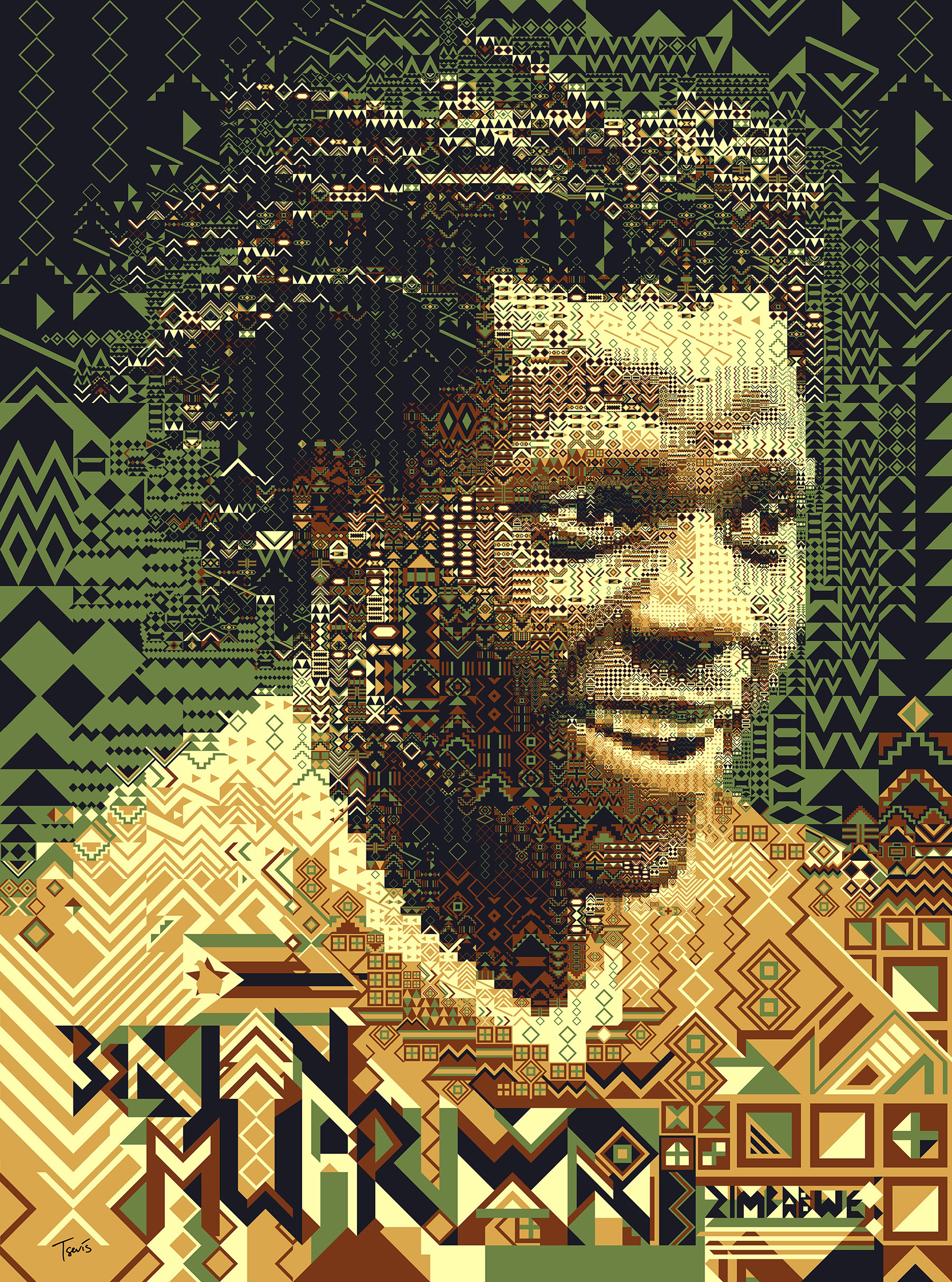
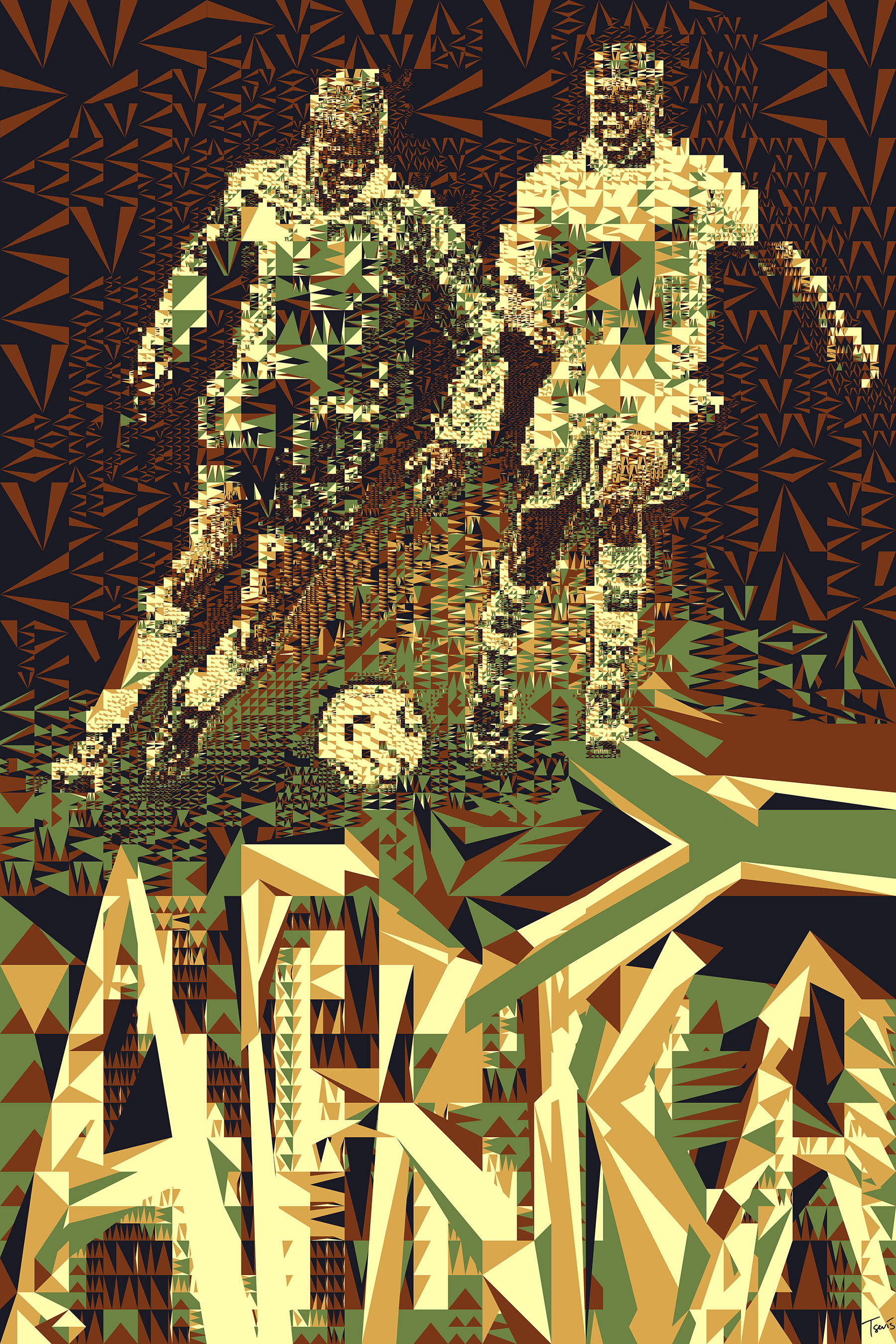
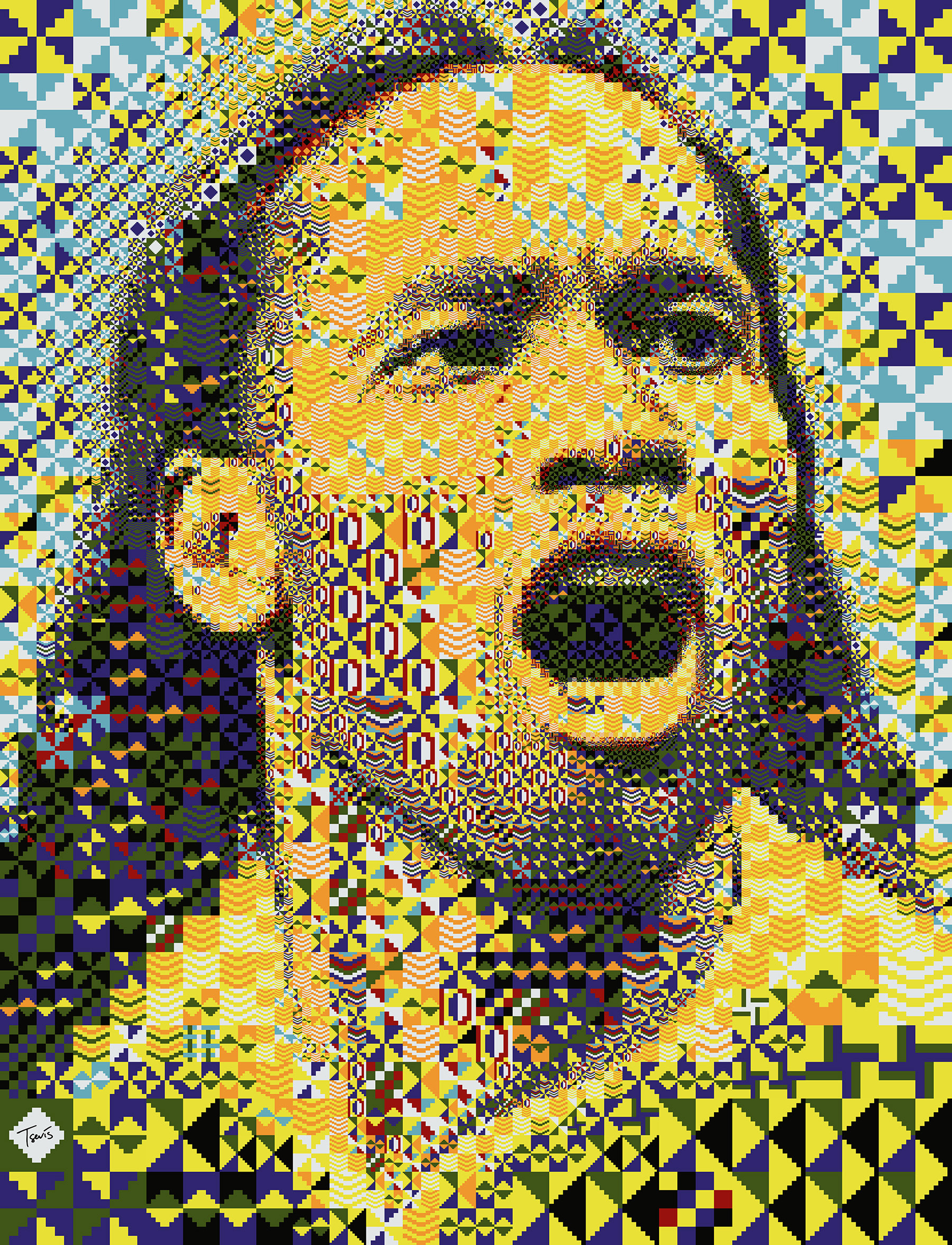
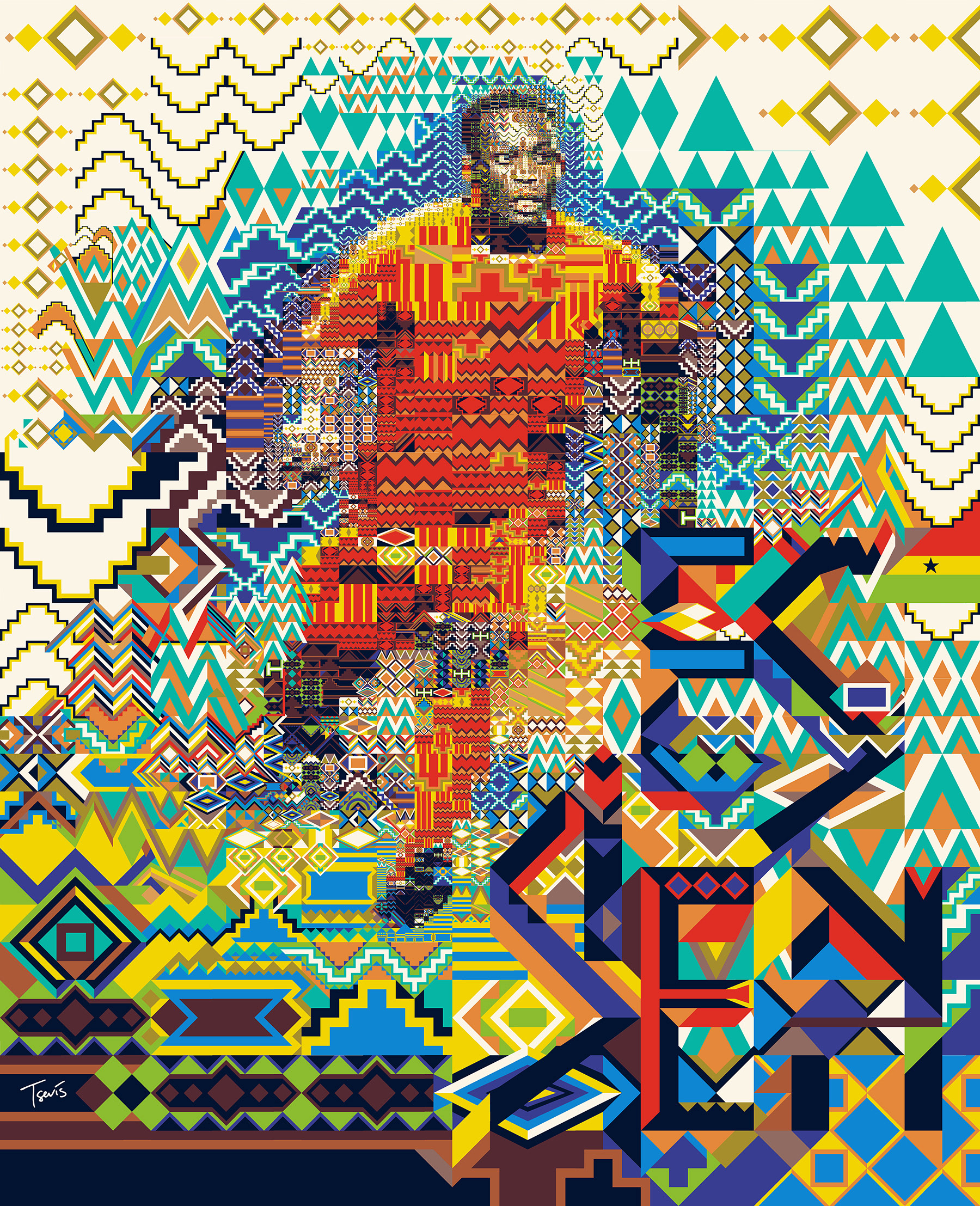
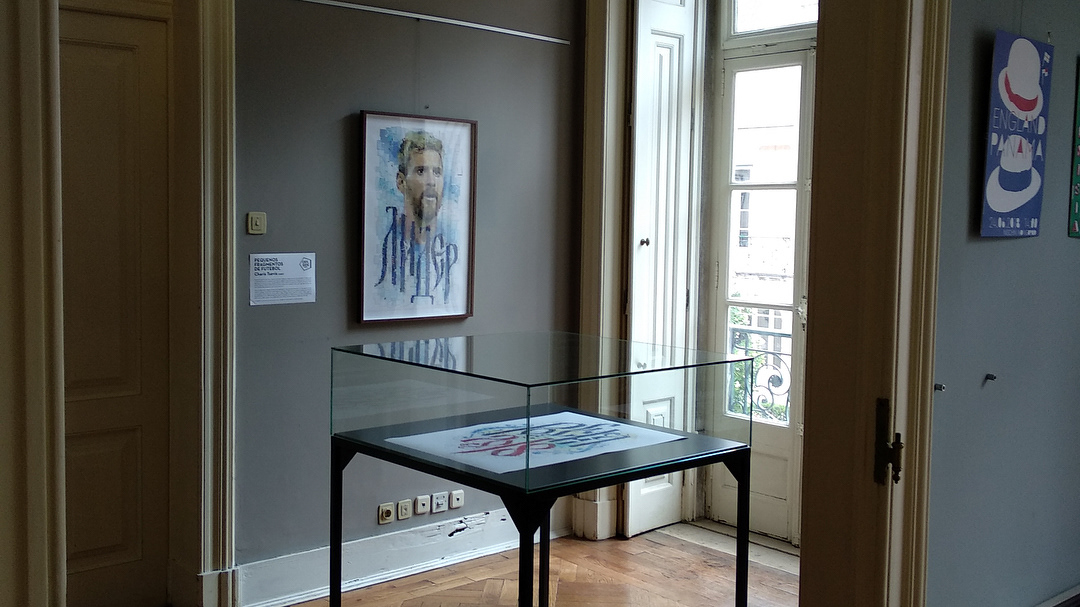
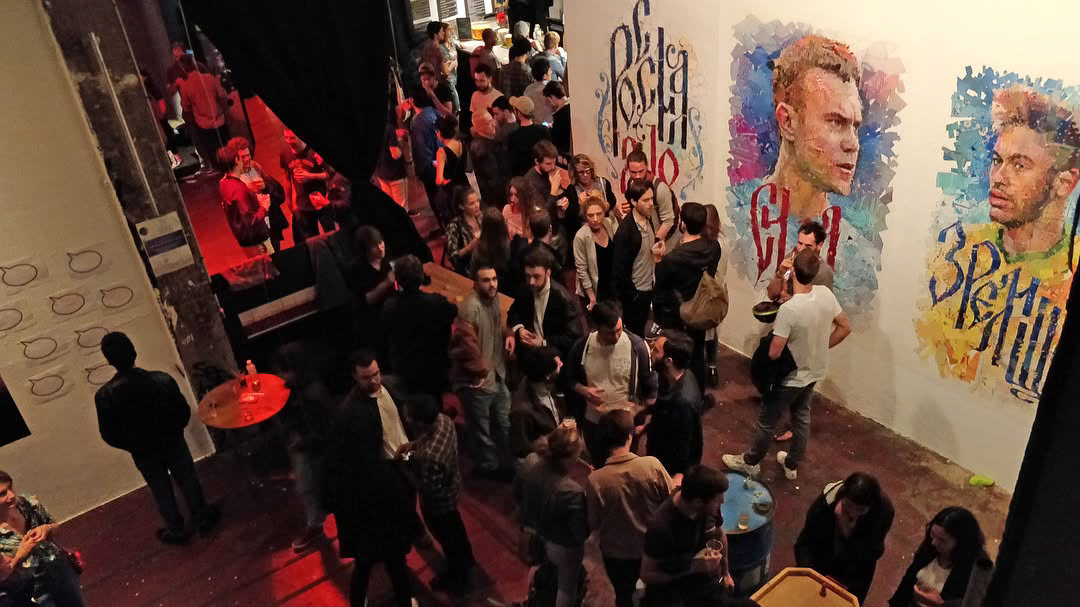
This idea shaped the Russia 2018 series, created for the 2018 FIFA World Cup.
The project drew inspiration from traditional Russian quilting and Cyrillic calligraphy, the design work beautifully composed by Vira Konstanta. I was interested in how football could become a meeting point between contemporary sport and centuries-old visual traditions. The portraits of players were not merely representations of athletes but explorations of cultural identity through pattern, texture, and language. Football travels globally, yet it always speaks with a local accent.
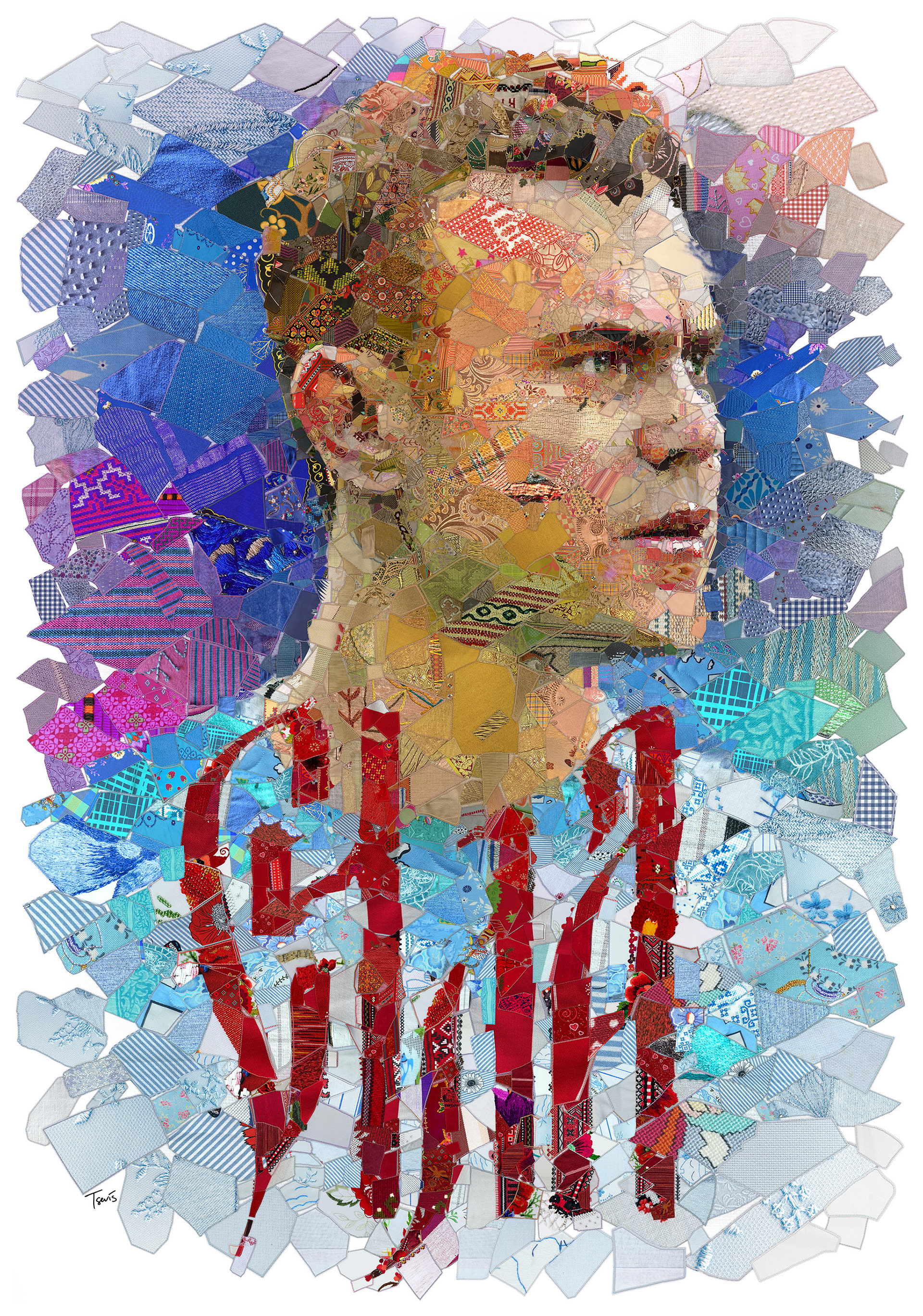
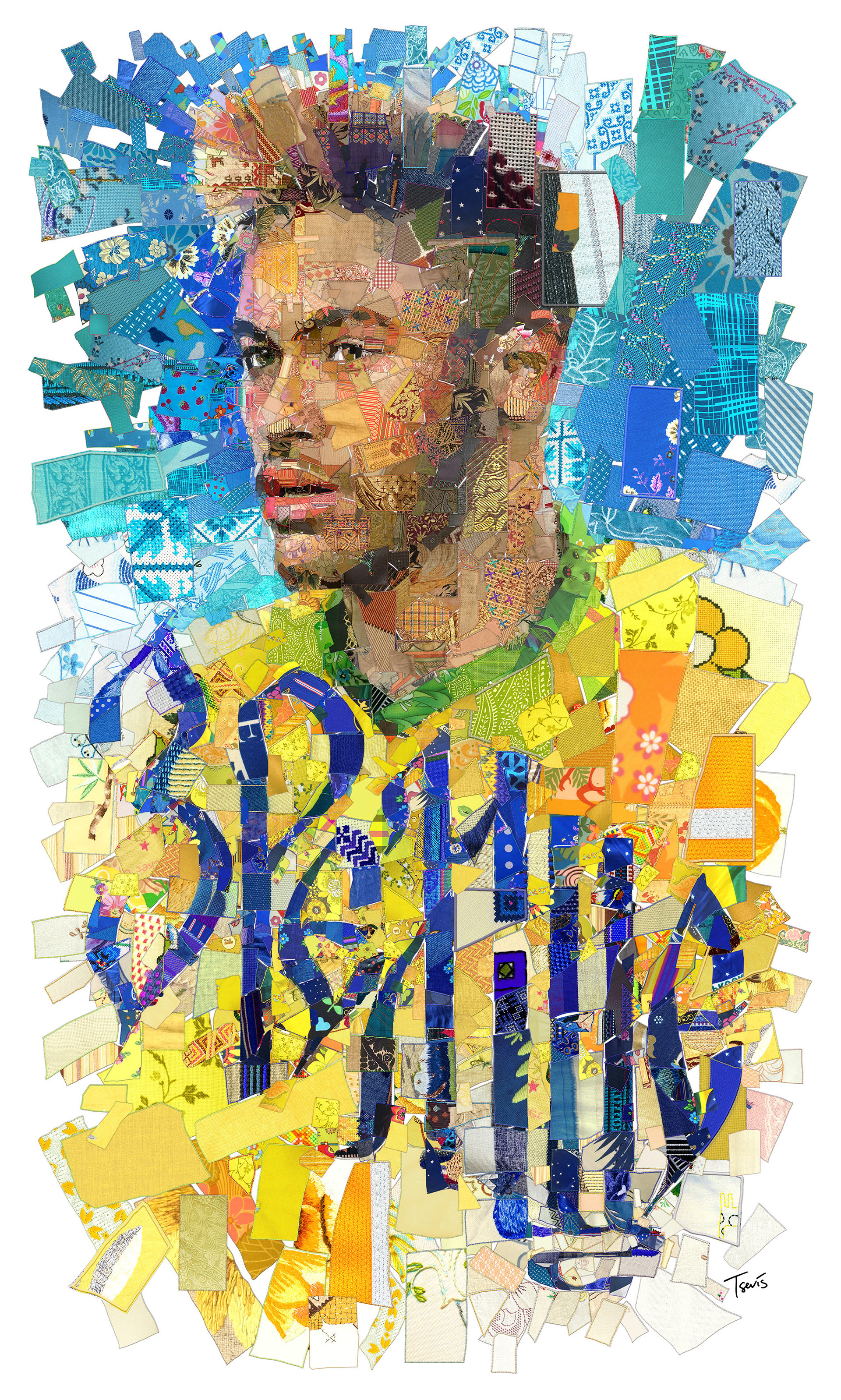
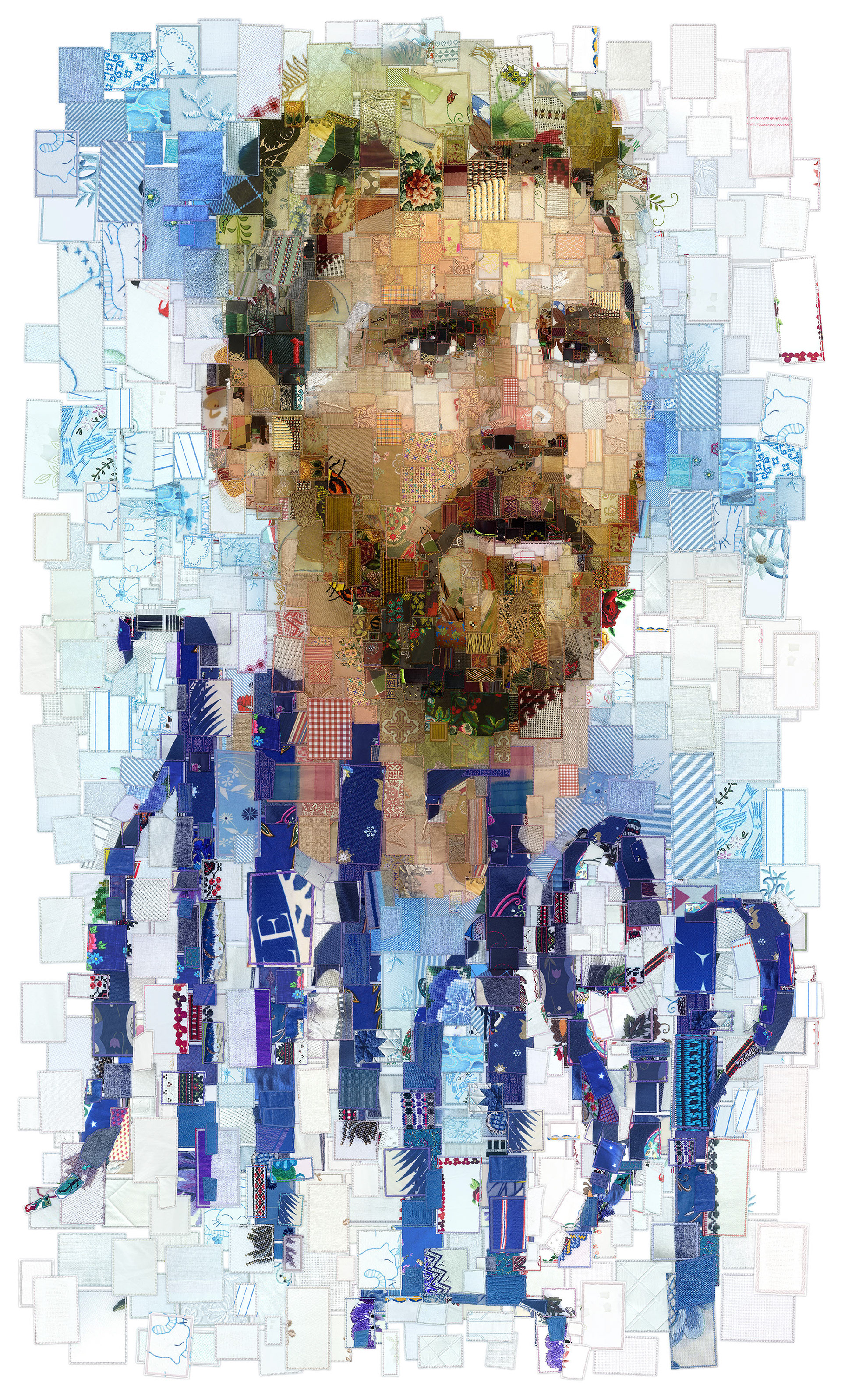
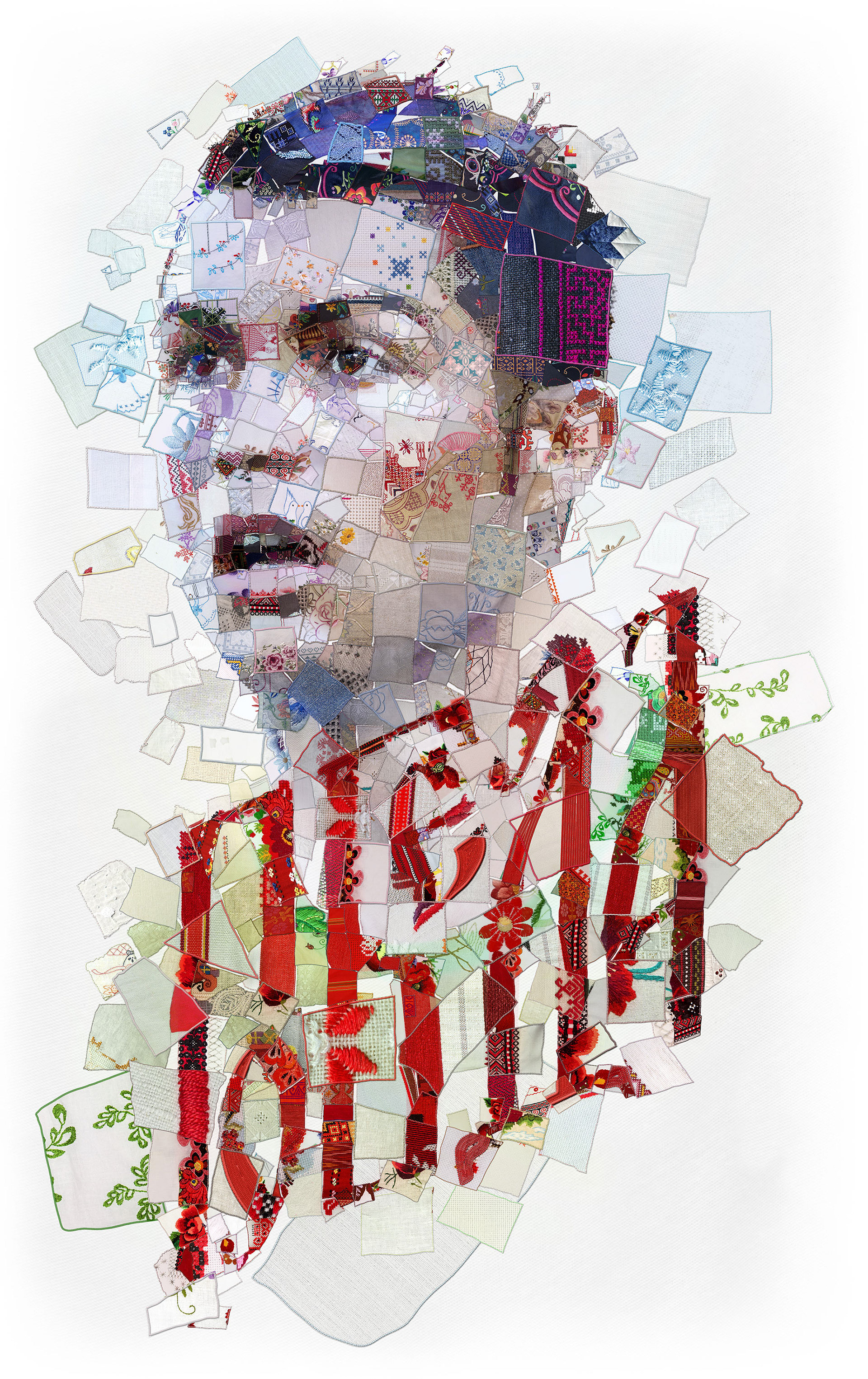
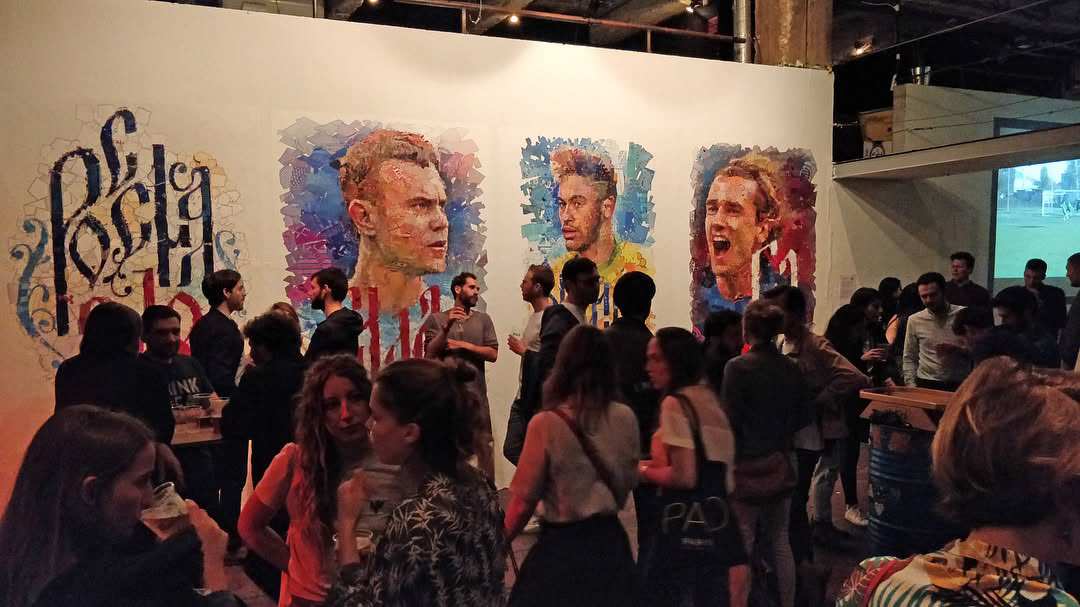
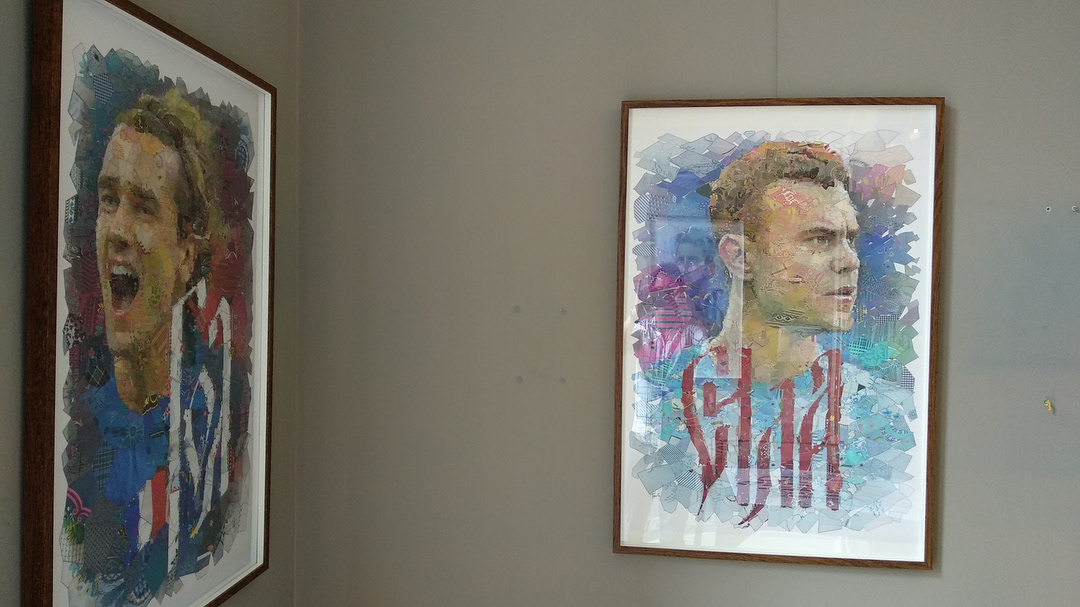
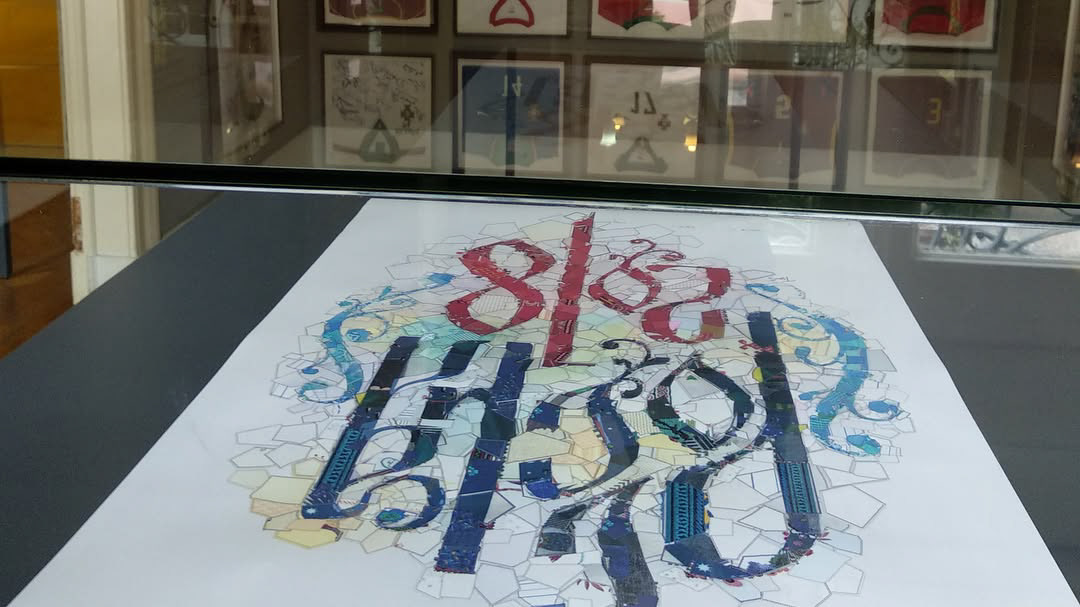
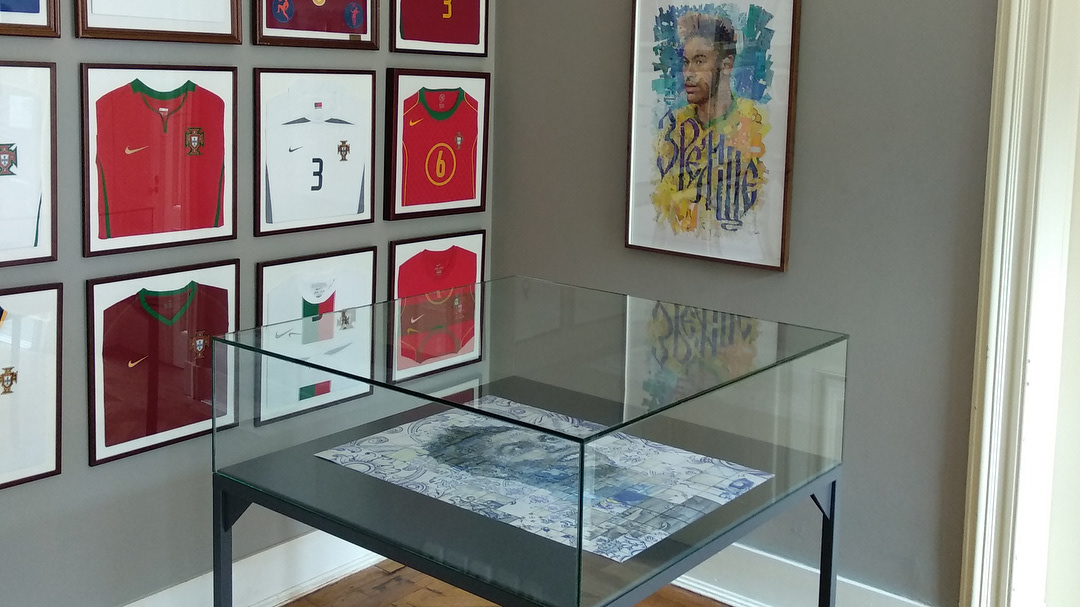
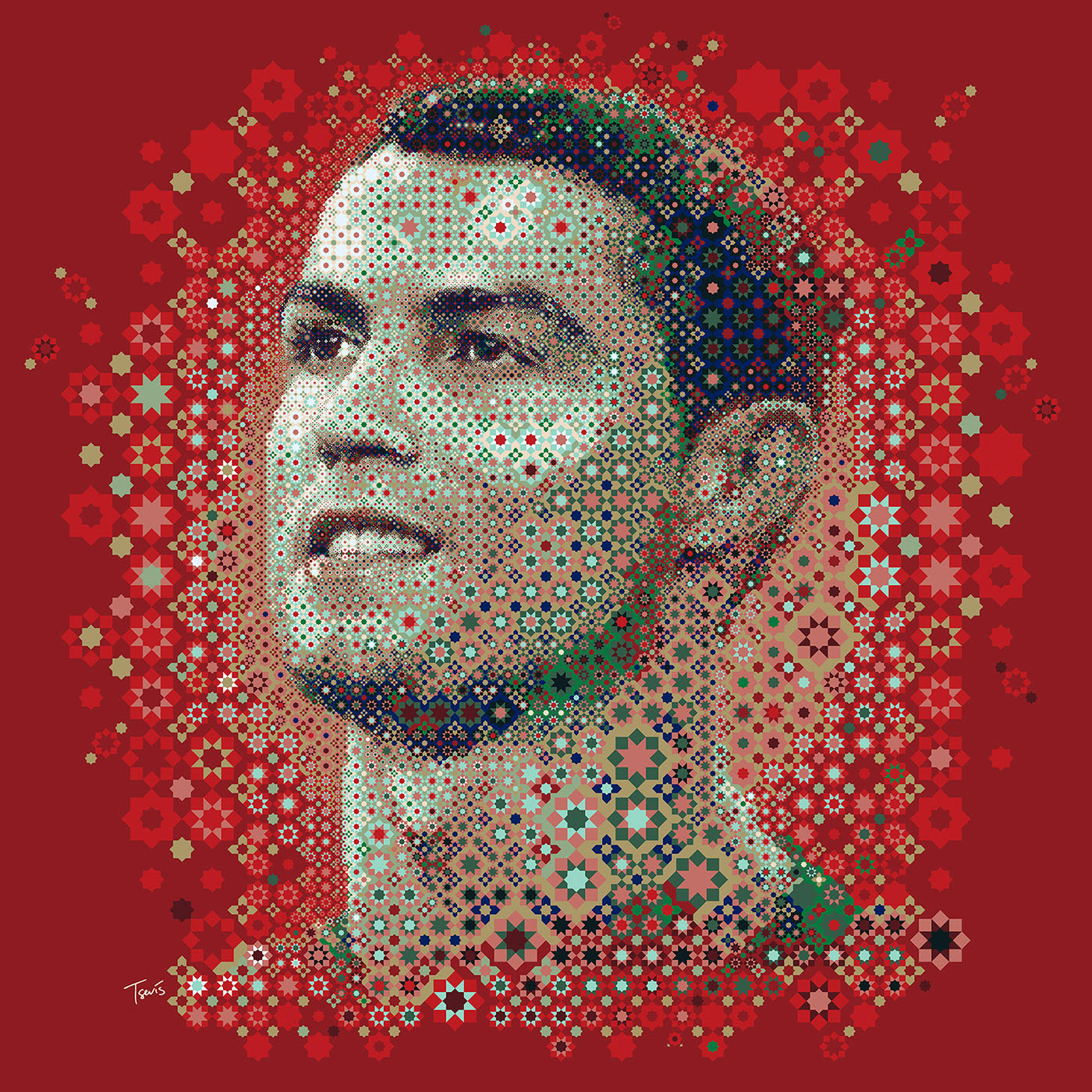
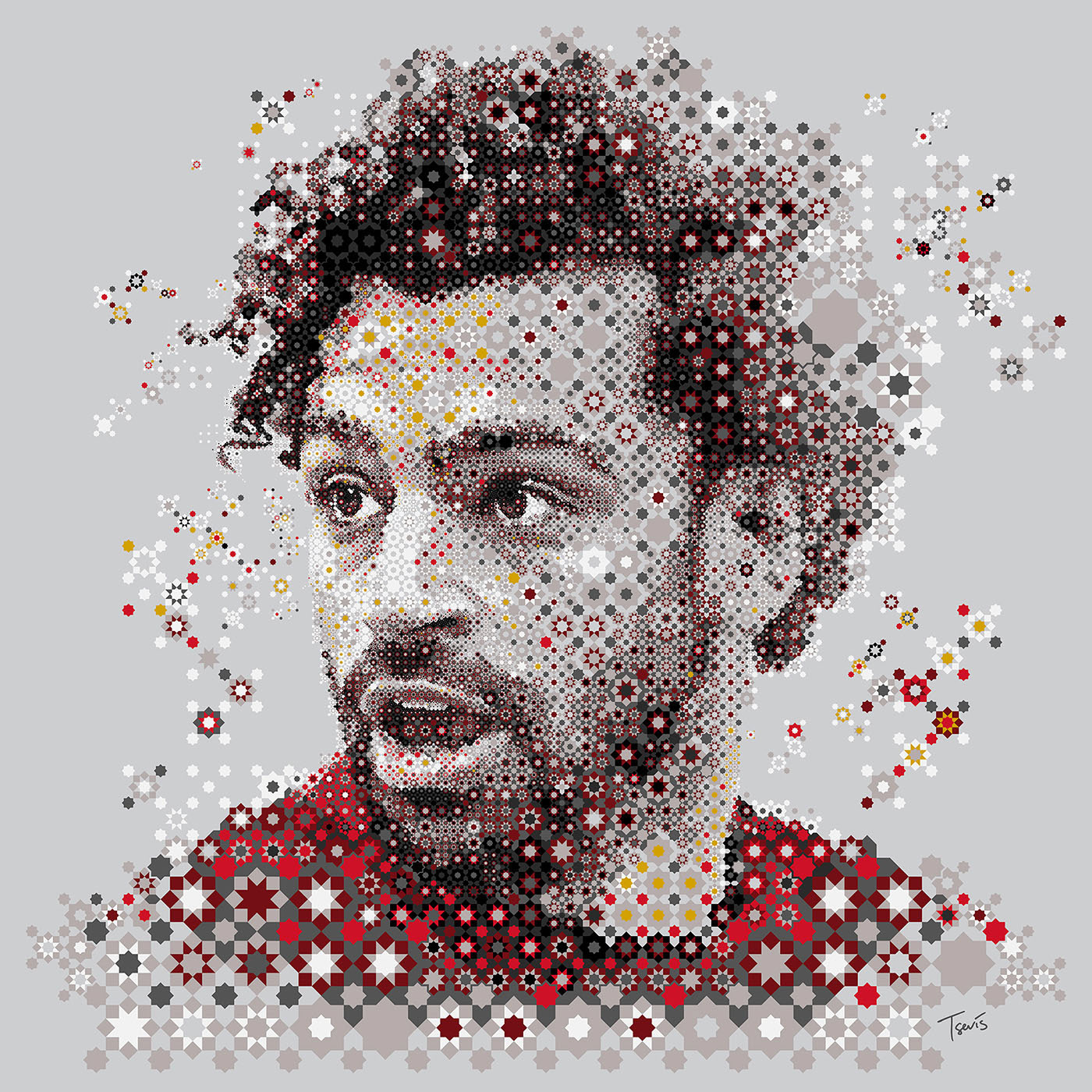
Twelve years after South Africa, football led me to another cultural landscape. The Qatar 2022: A Study in Football and Arabesque project explored the intersection between football and Islamic geometry. The World Cup in Qatar was not merely a sporting event but an encounter with centuries of Arab visual culture. I was drawn to the possibility of merging football with arabesque patterns, geometric systems, and ornamental traditions — the precise structural logic that the CGMCreator engine's custom grid architectures are built to embody — traditions that have shaped the region's visual identity for generations.
Football is never only about tactics and statistics. It is also about colours, songs, local traditions, and collective memory. Every World Cup becomes an exhibition of humanity.
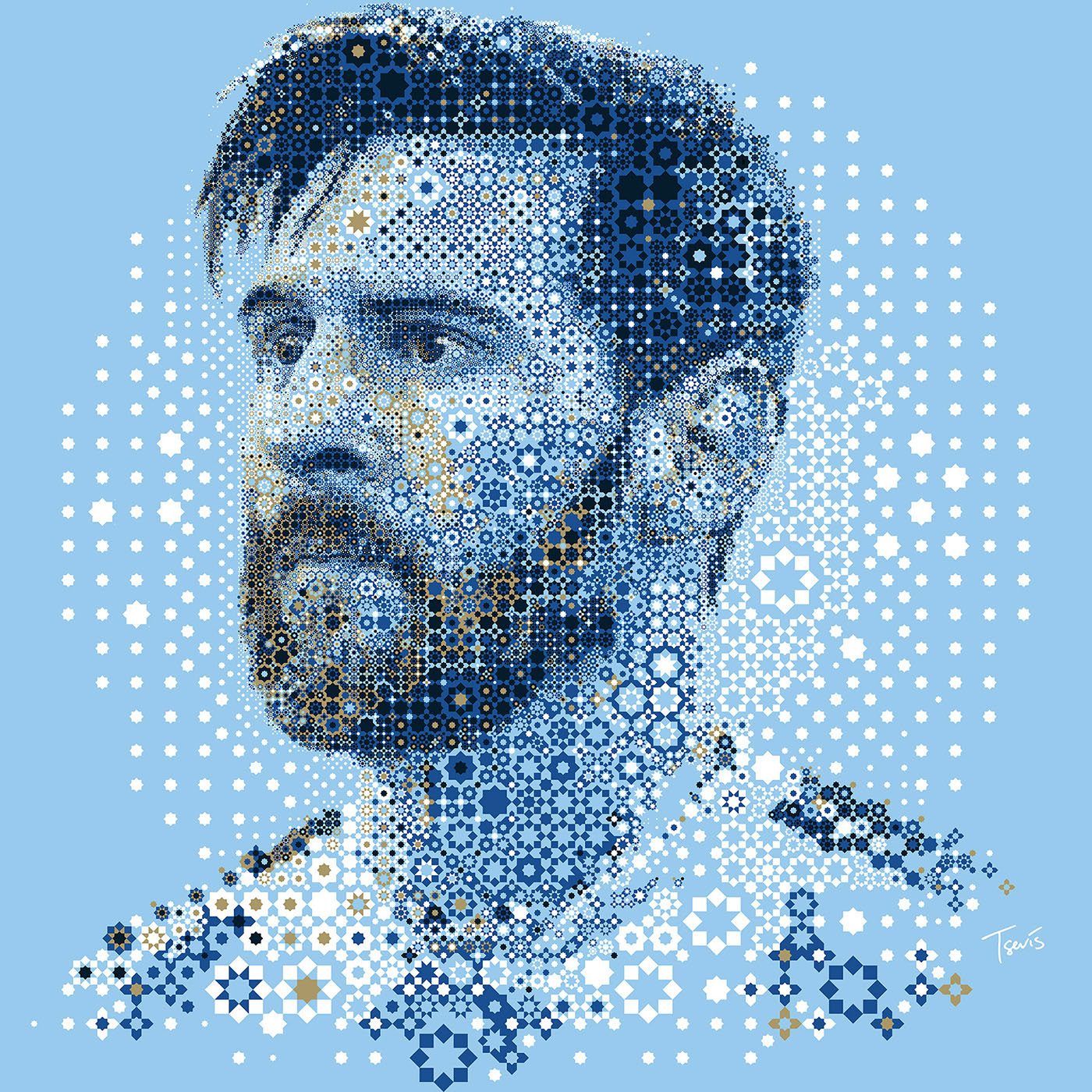
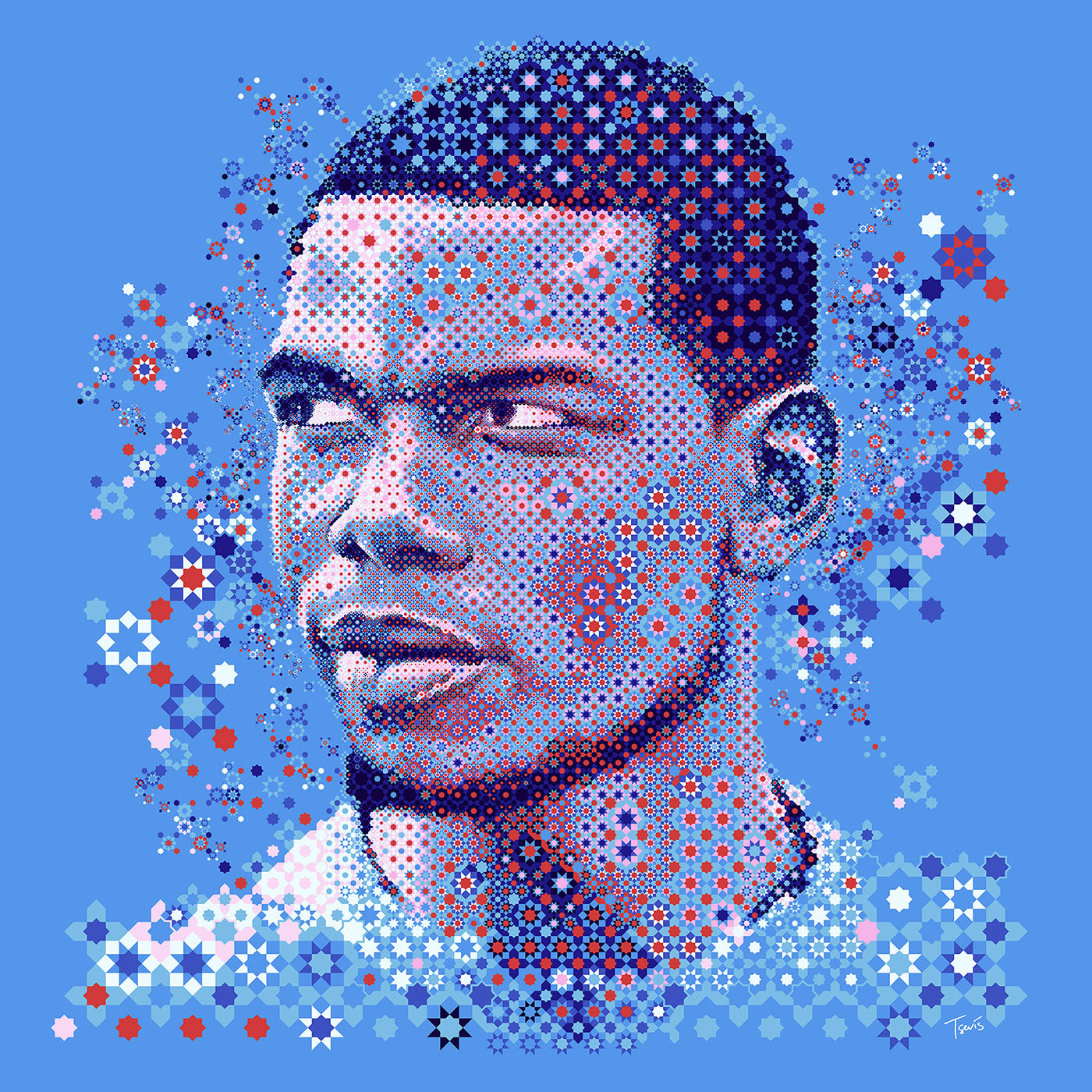
The Player as Myth
Modern football has created a new global mythology. Ancient civilisations had heroes and warriors. Today, football produces icons whose influence extends far beyond the pitch.
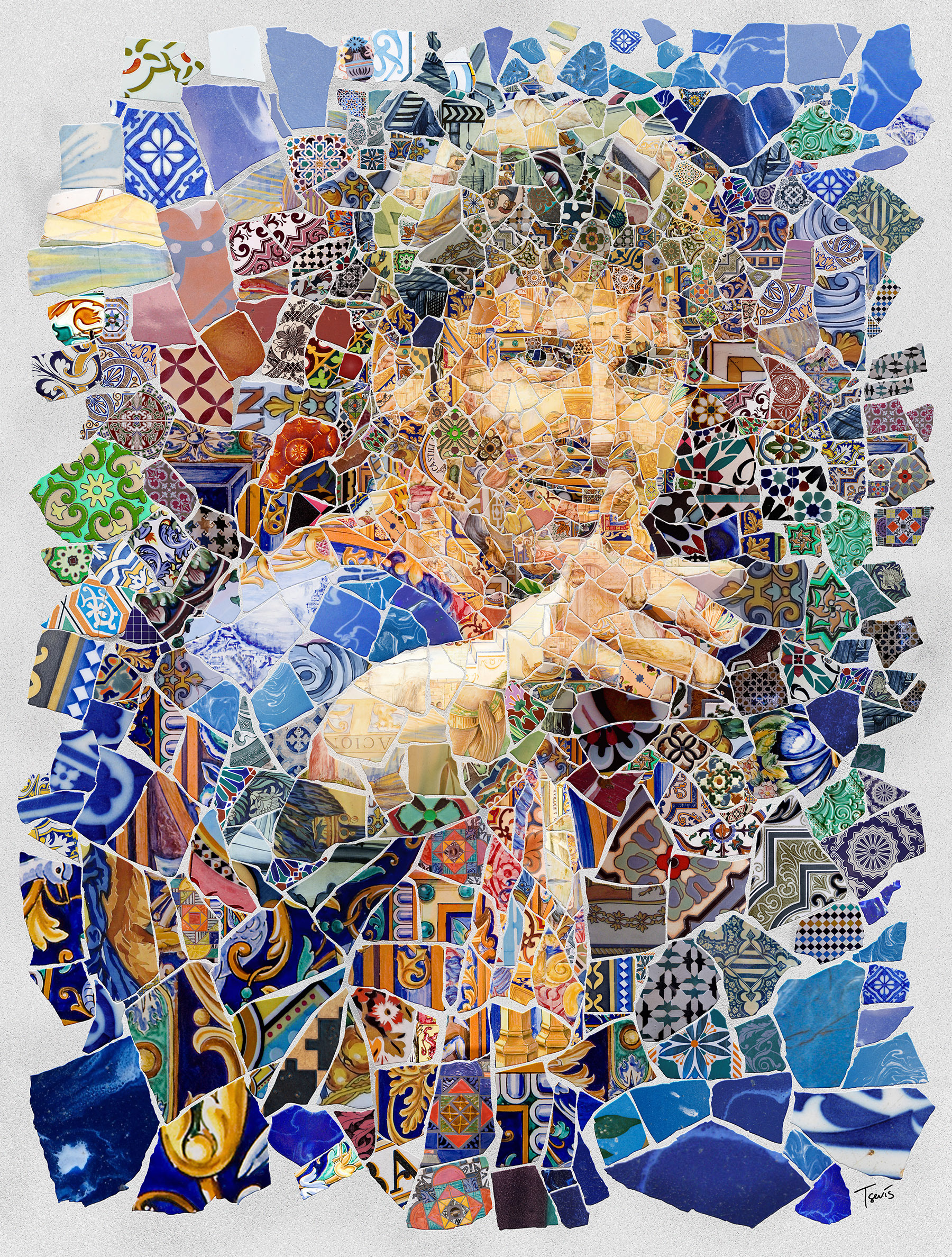
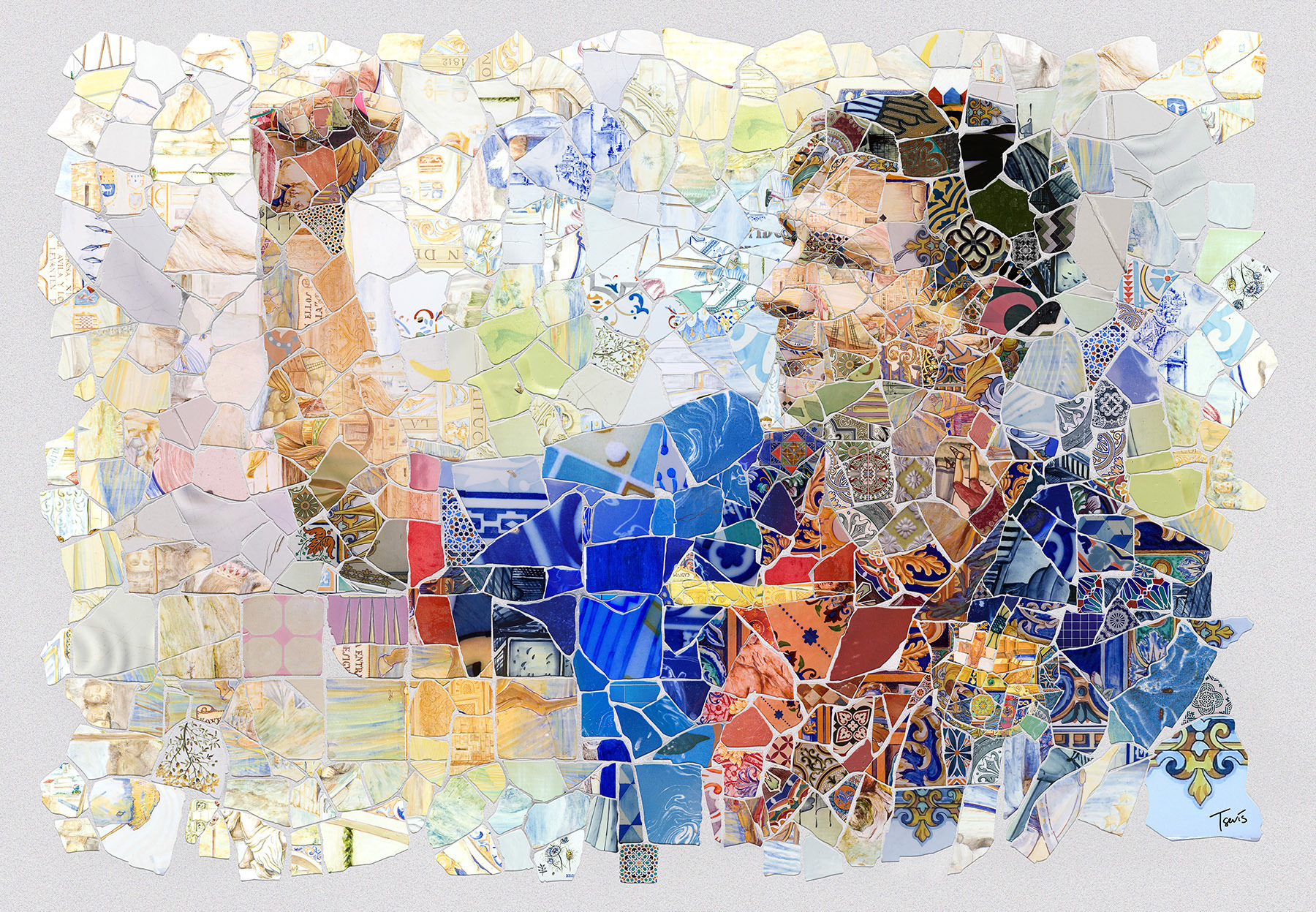
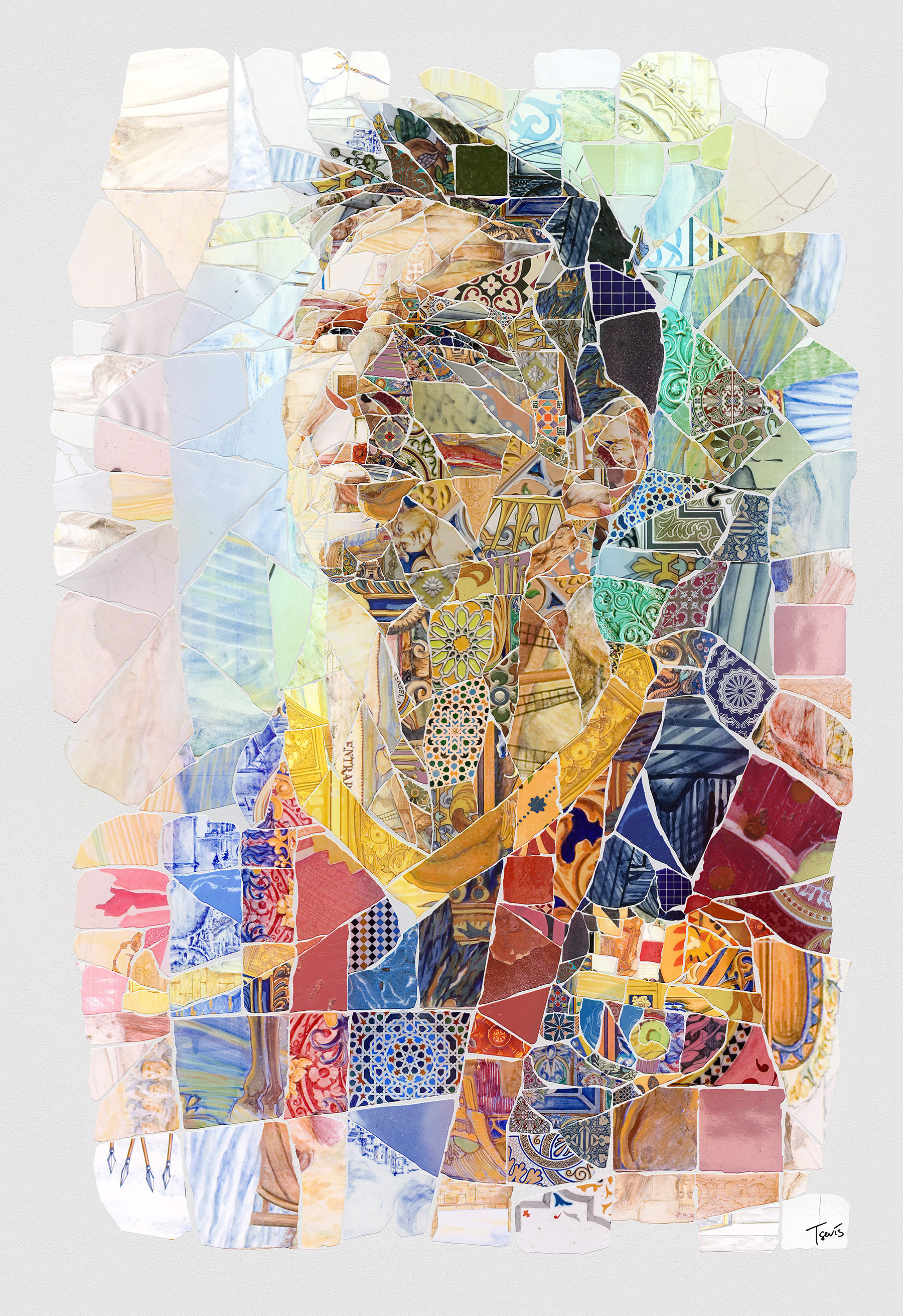
Cristiano Ronaldo fascinates me not only as a footballer but as a phenomenon of discipline and self-construction. His image carries the weight of national identity, ambition, and persistence. In building his mosaic portrait, I was interested in how thousands of individually chosen fragments could express not only a face but also the idea of excellence assembled piece by piece, the Macro-Micro Narrative made visible: what you read up close, and what you understand from a distance, are different truths held in the same image.
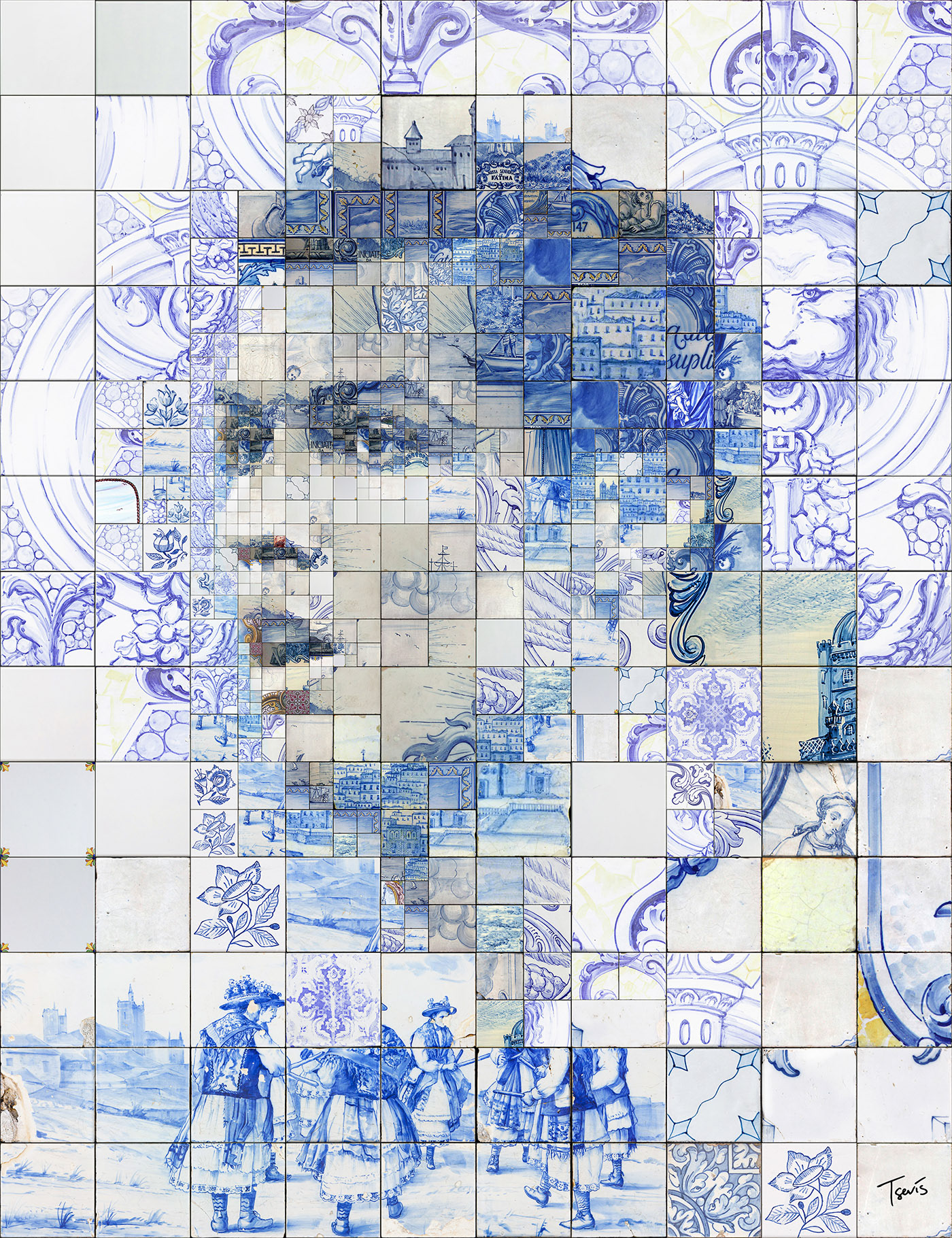
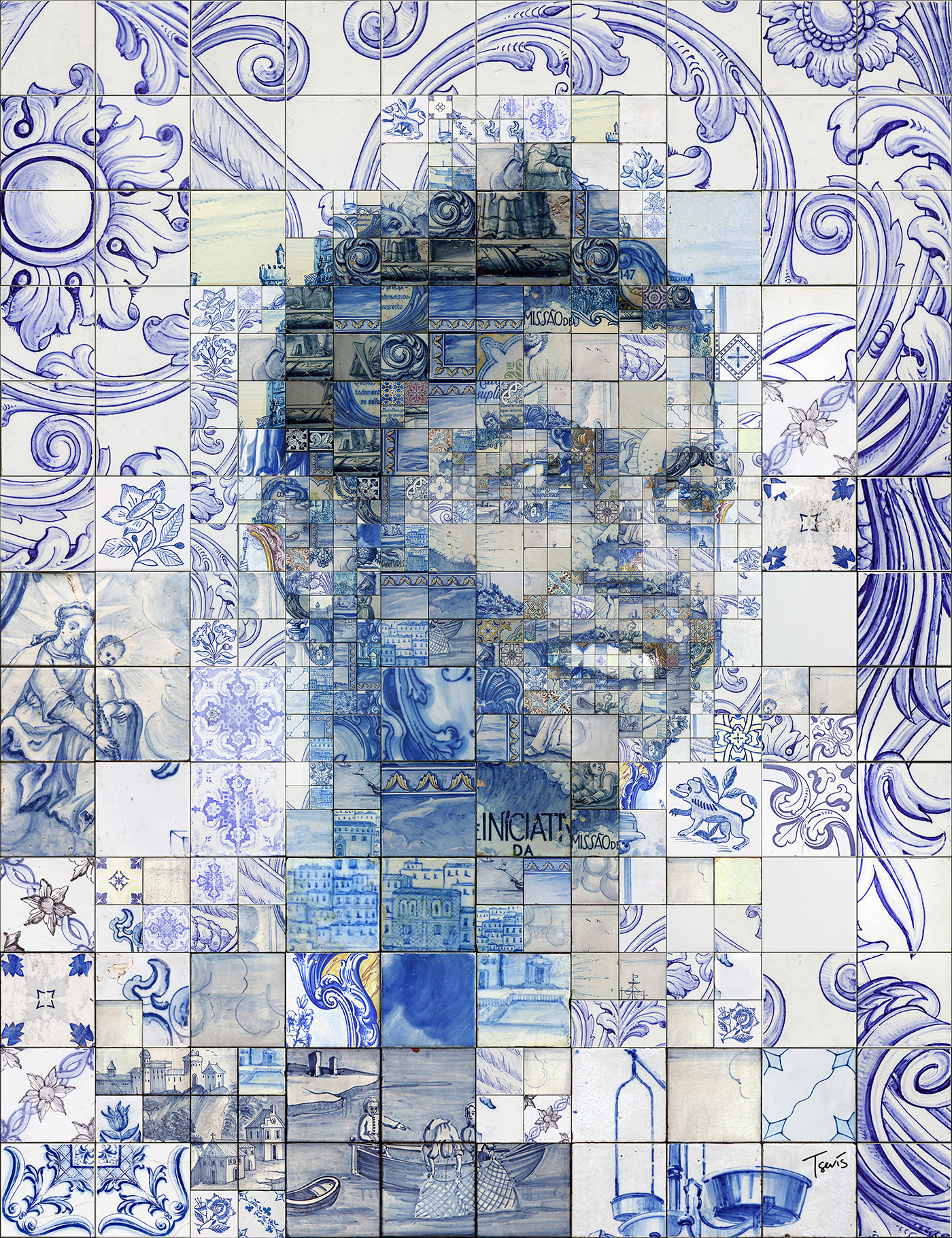
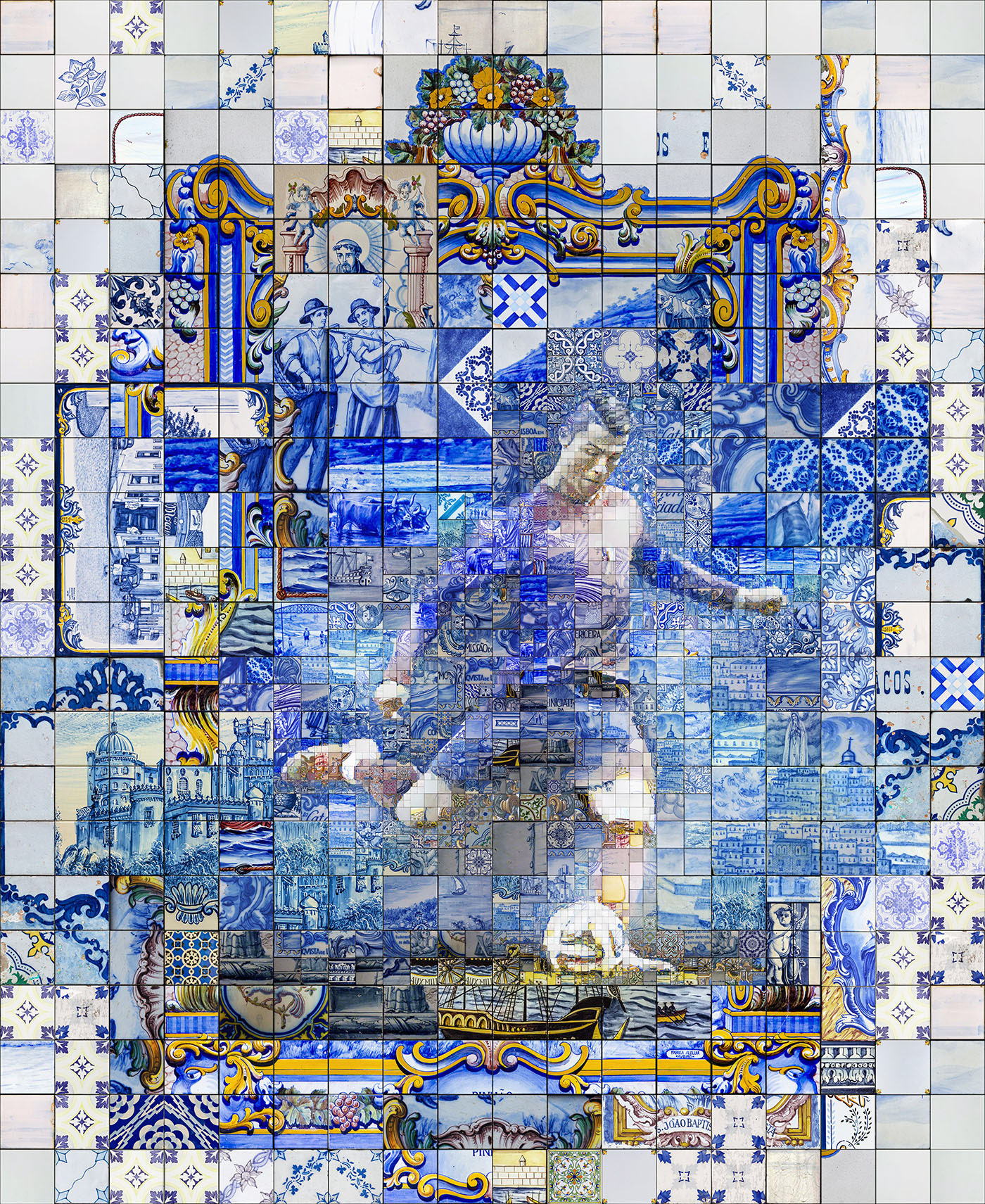
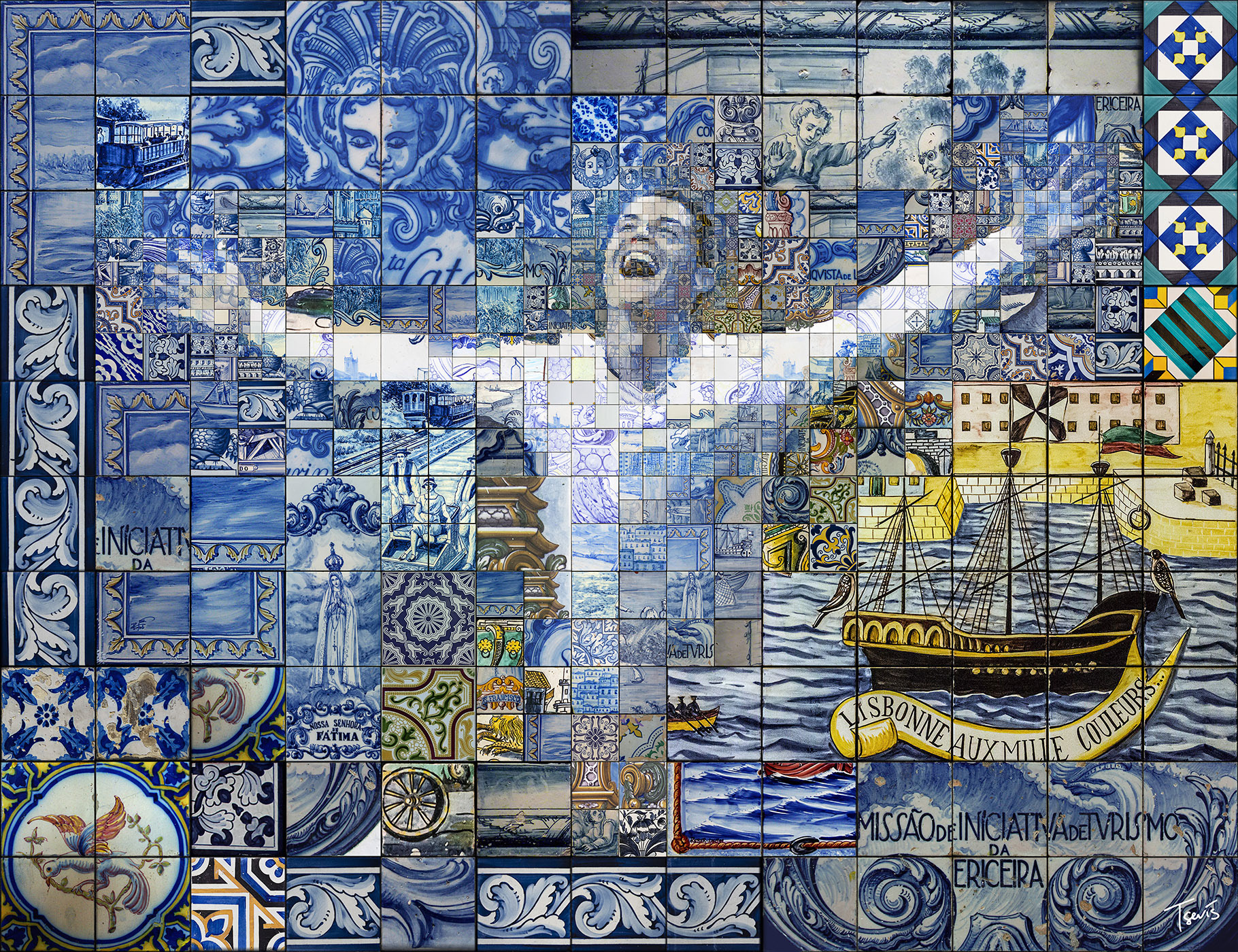
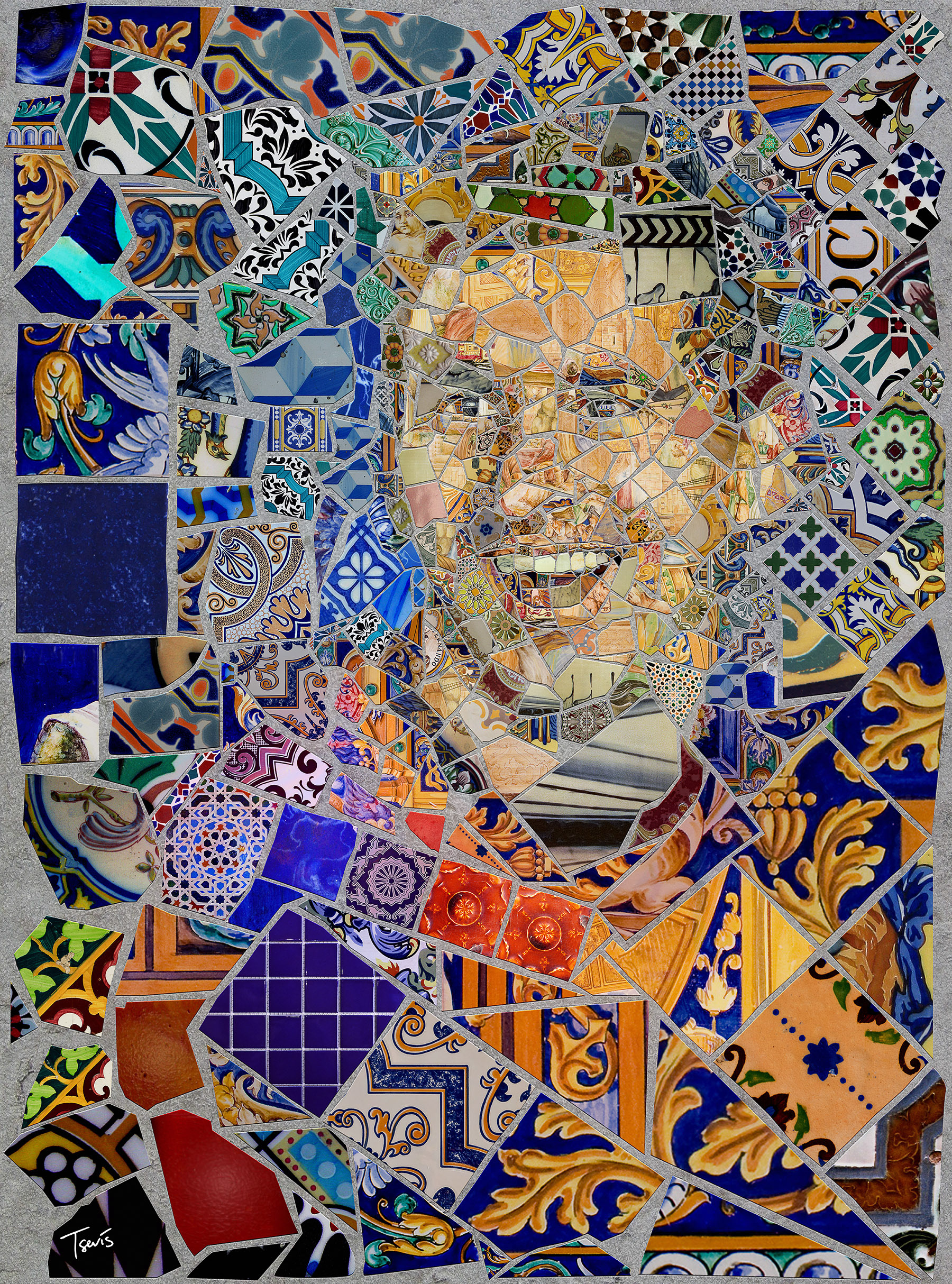
If Ronaldo represents architecture, Messi represents flow. His football often appears simple until one realises its extraordinary complexity. My portrait of Messi, built from fragments of Barcelona itself, explores the relationship between the player and the city. Some athletes do not merely play for a club. They become part of its urban memory.
Capturing Motion
One of the great challenges for an artist is movement. Football exists in fractions of seconds. Art is static. The question becomes: how do you freeze motion without killing it?
Movement as Visual Language
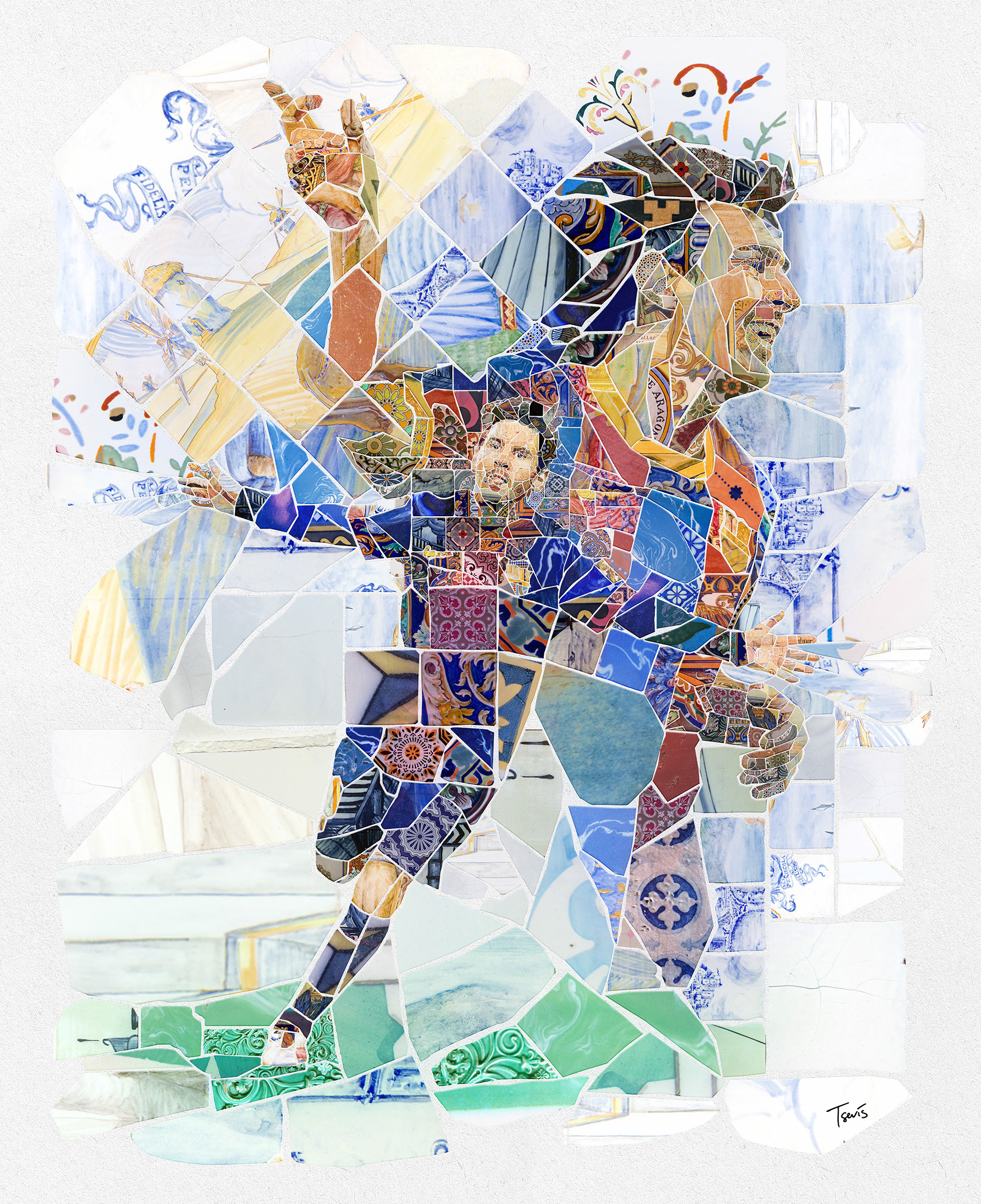
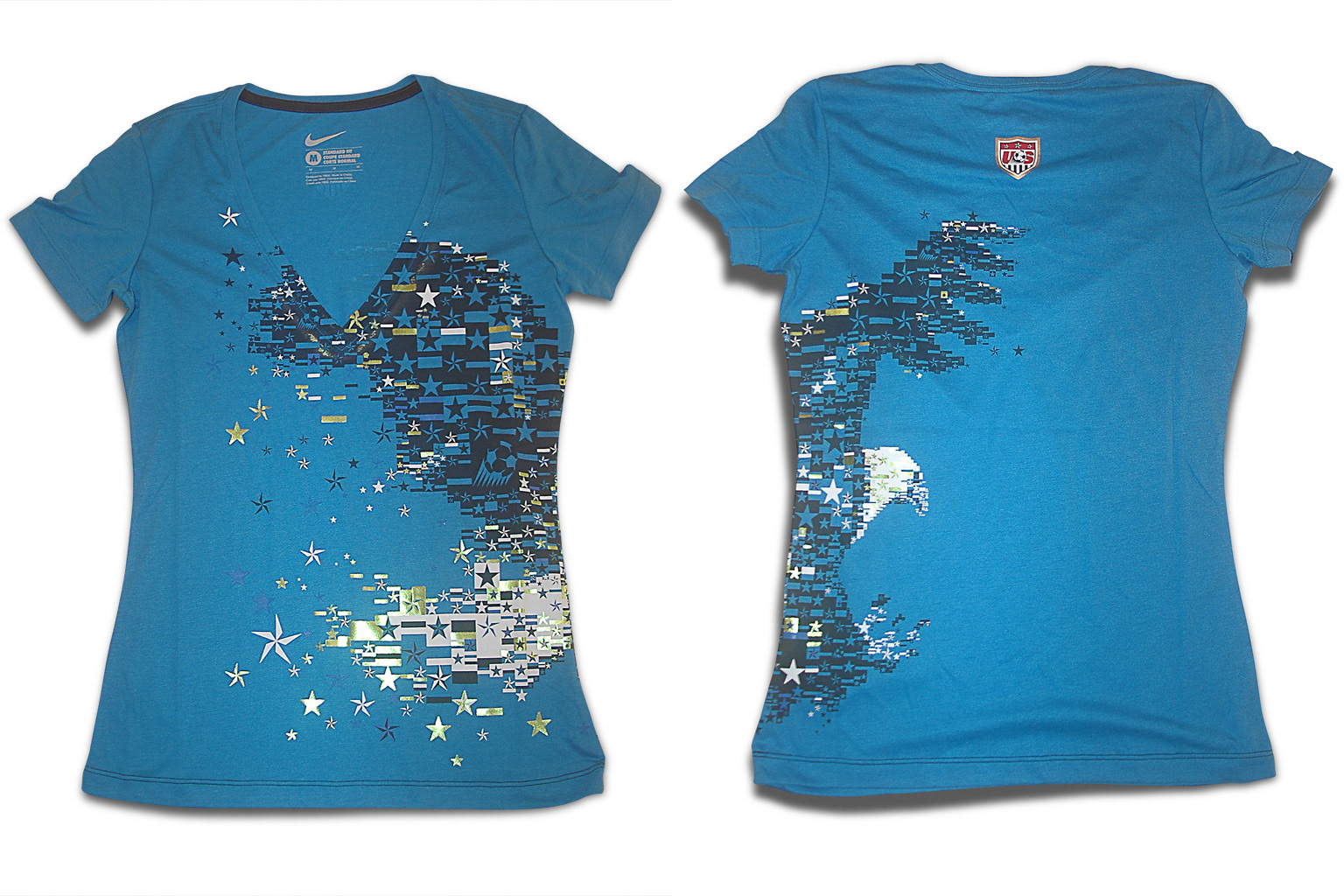
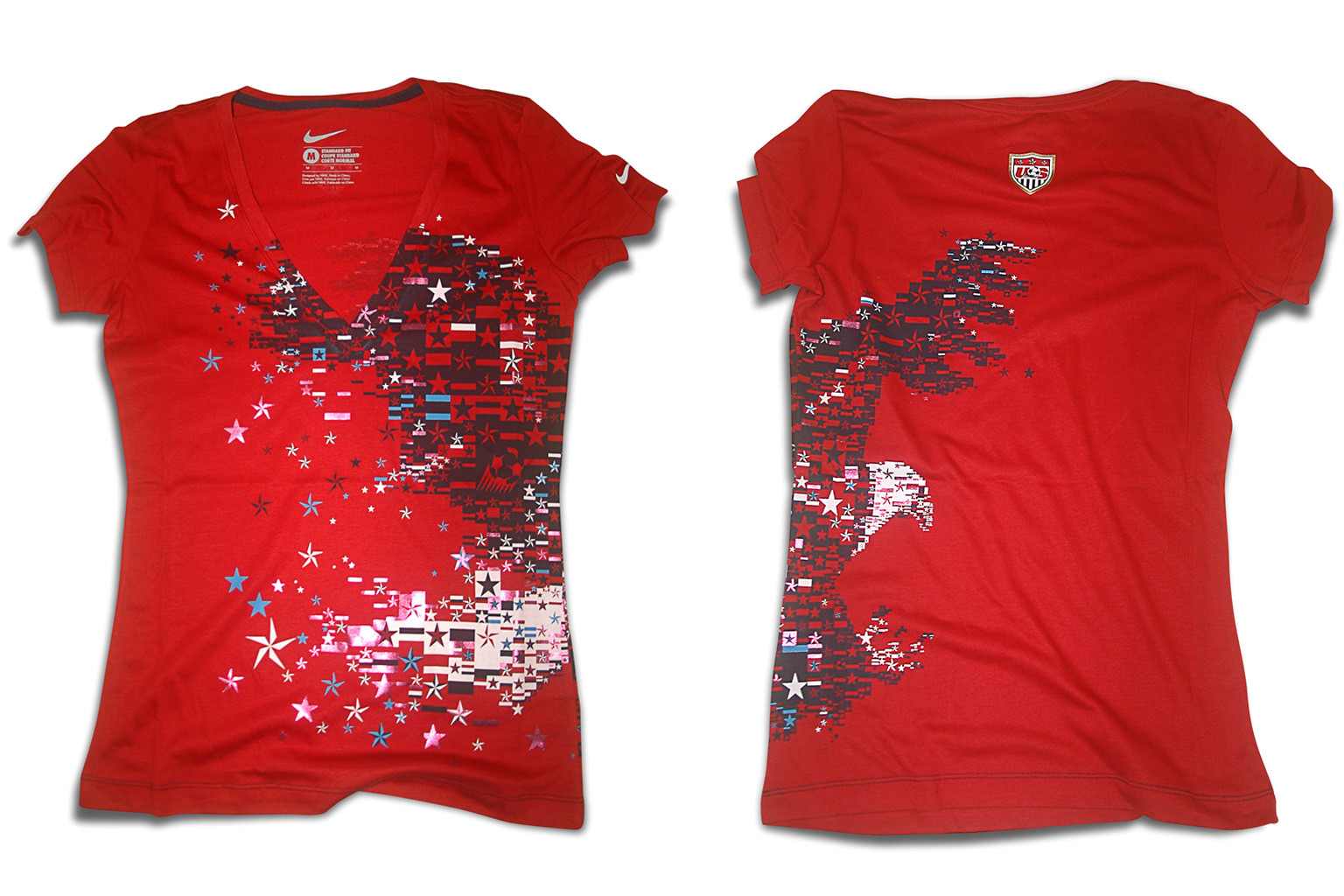
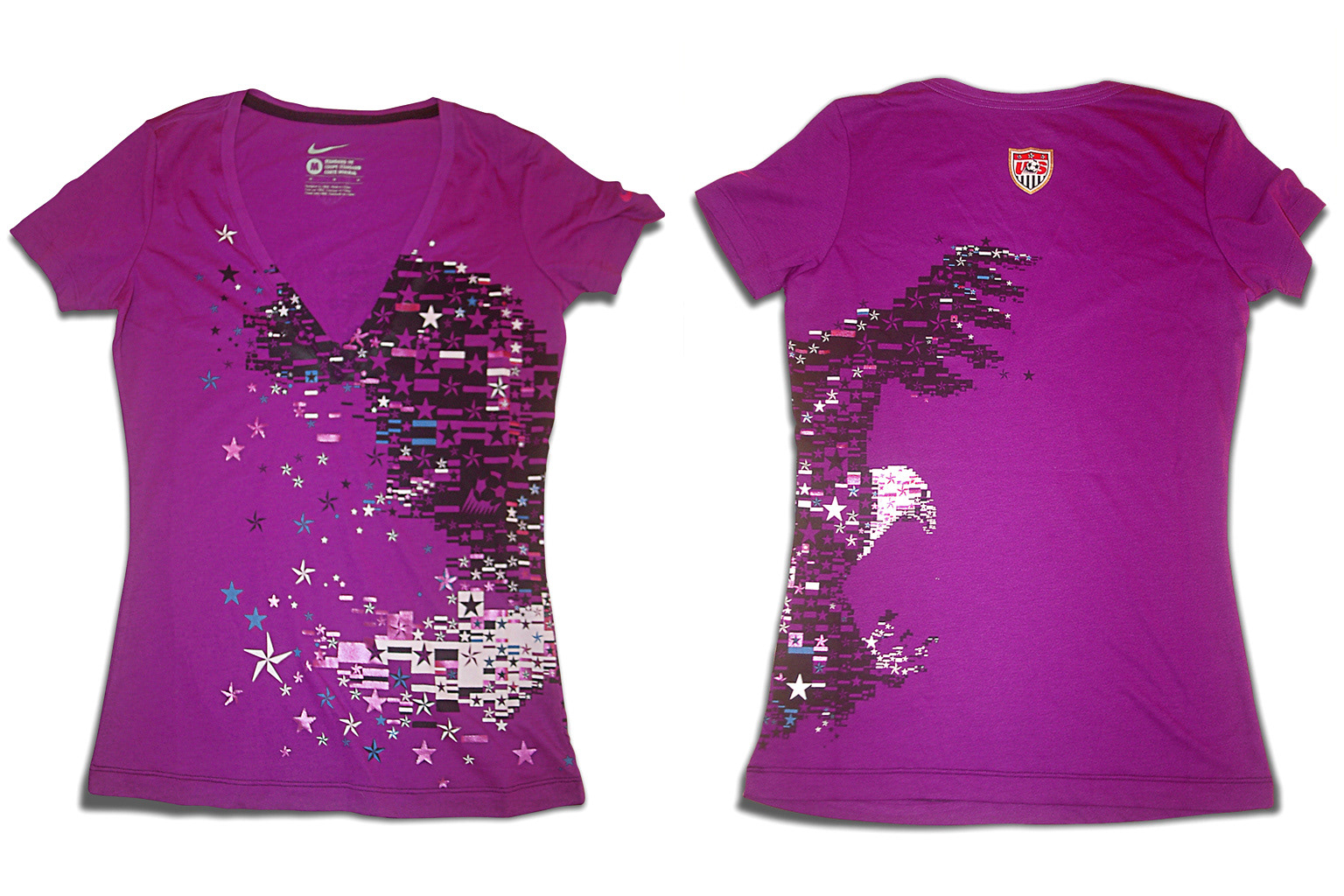
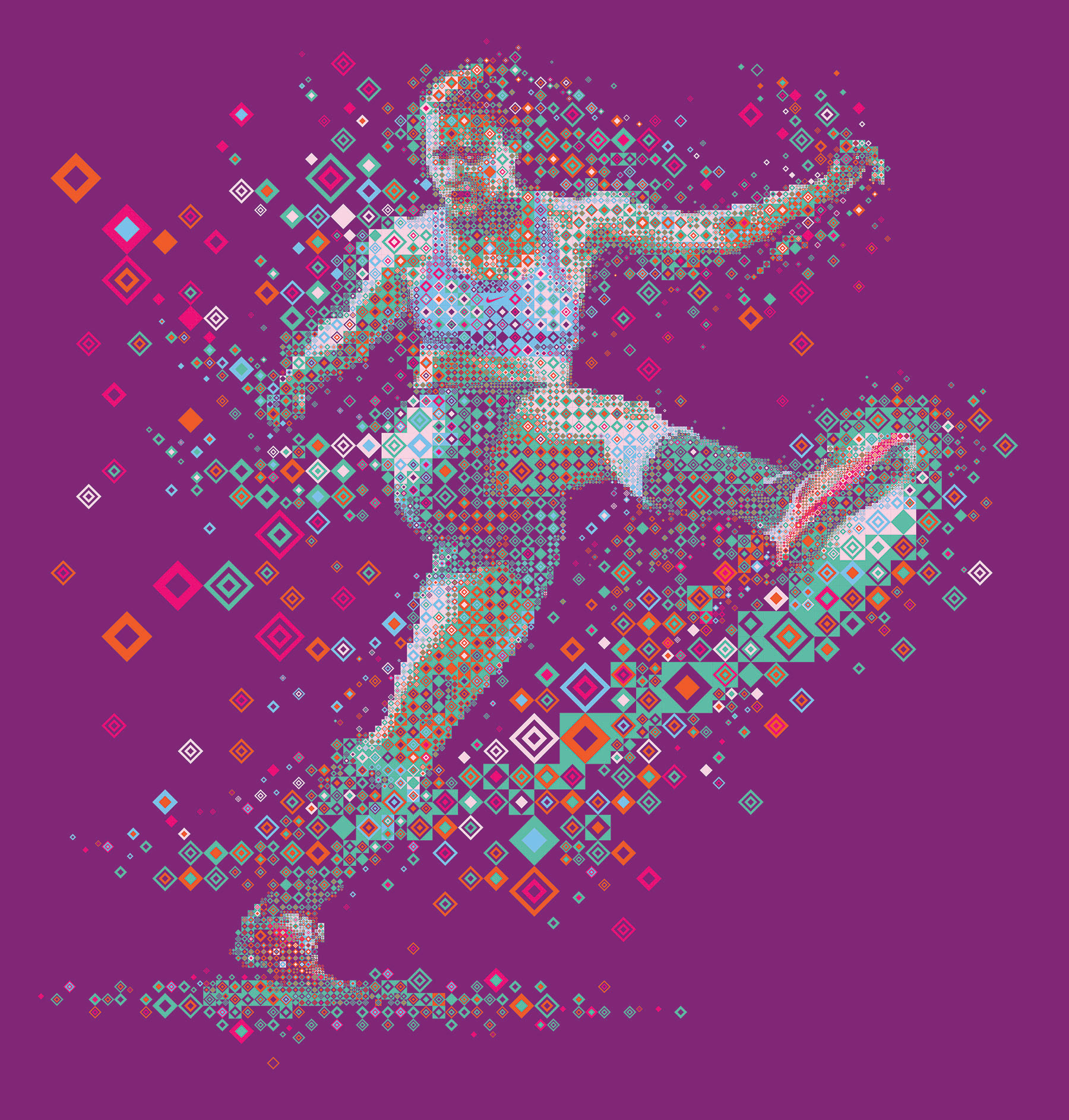
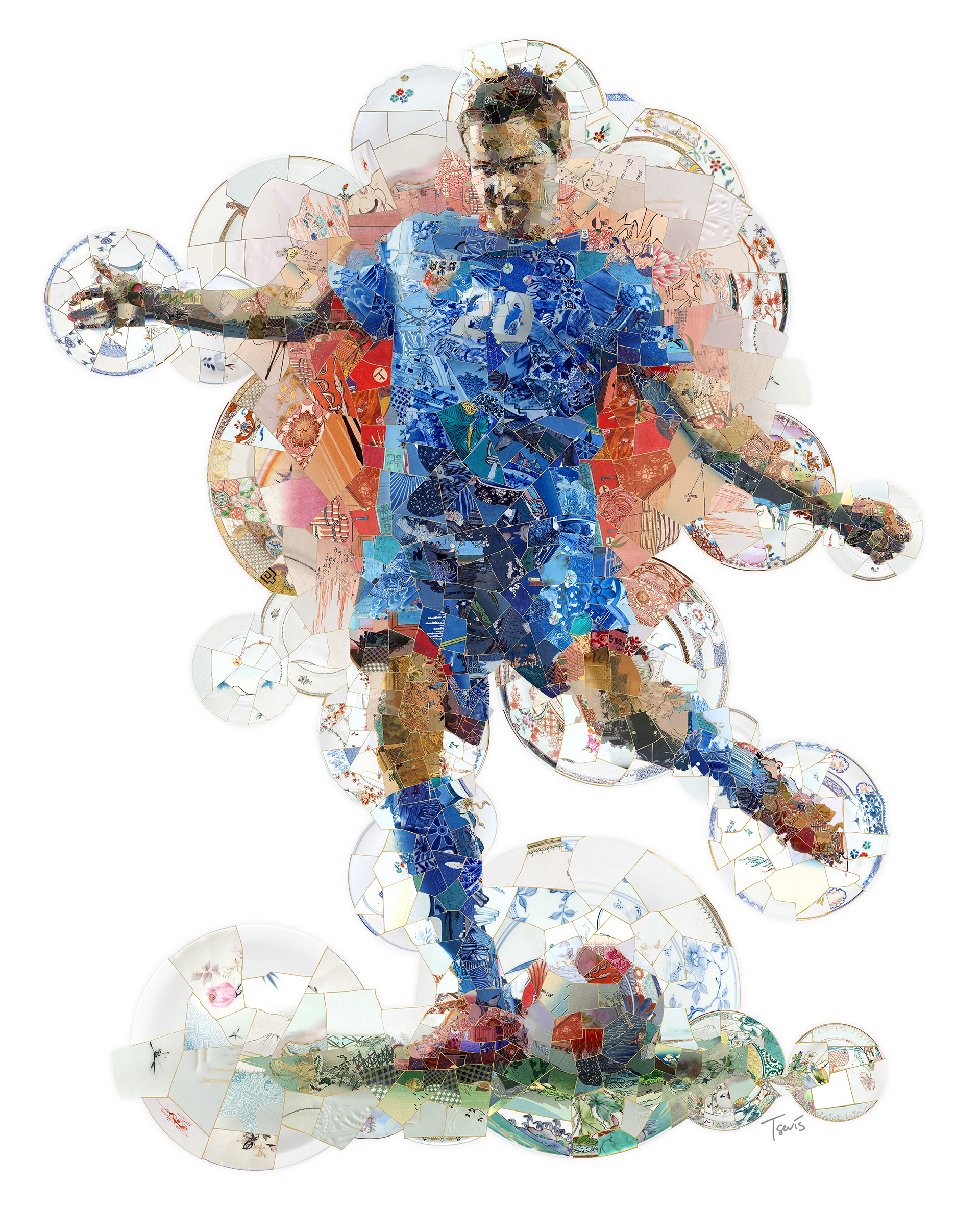
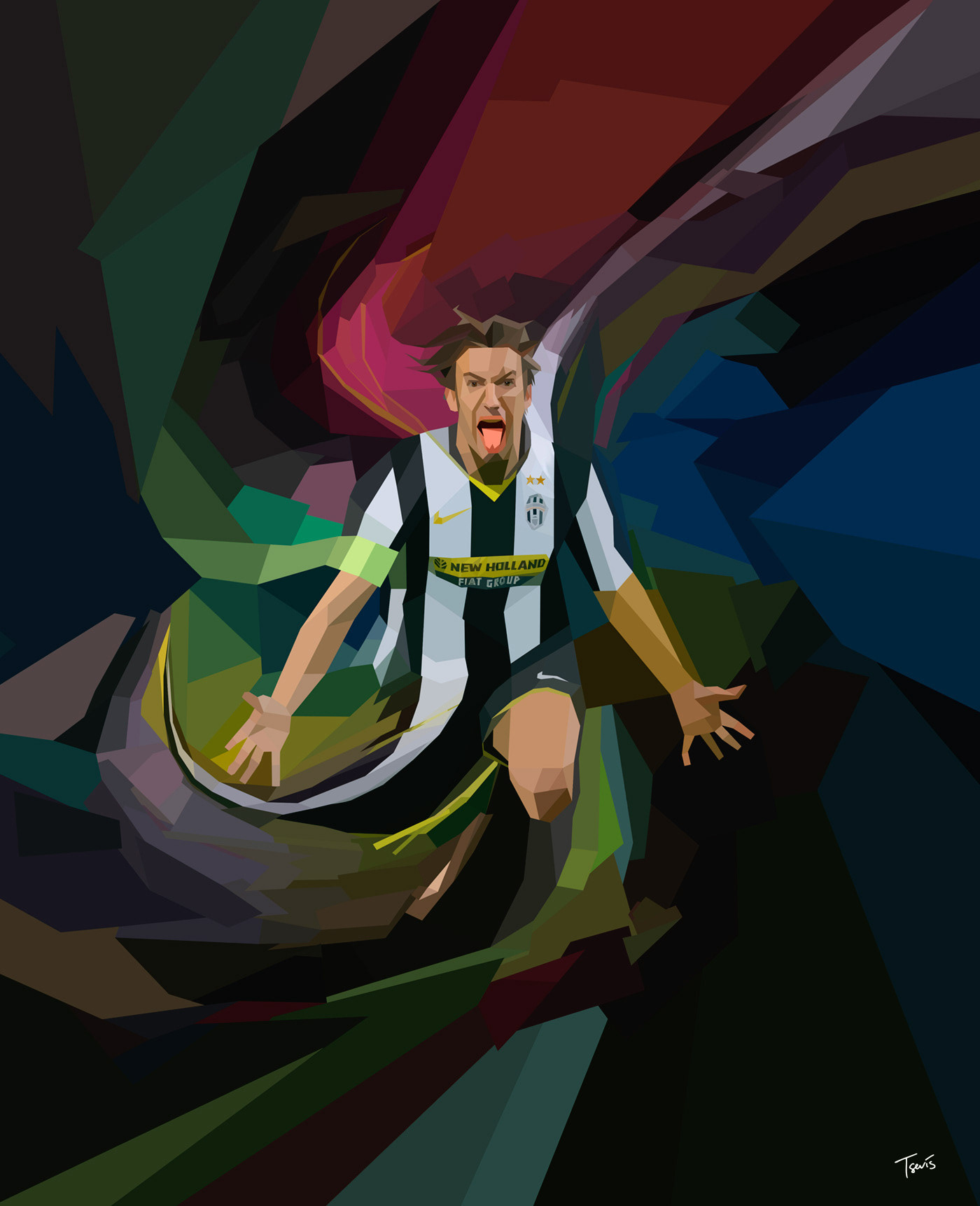
Working on football projects for Nike offered another perspective on the game. Football is not static. It is acceleration, rhythm, anticipation, and movement through space. As a mosaic artist, I constantly seek ways to translate motion into still images. Sport presents one of the greatest challenges in visual storytelling: how to capture movement in a single frame.
For me, mosaics are not only images. They are frozen systems of movement.
Football Beyond the Stadium
The World Cup does not end at the final whistle. Football enters everyday life through design, advertising, products, and urban culture.
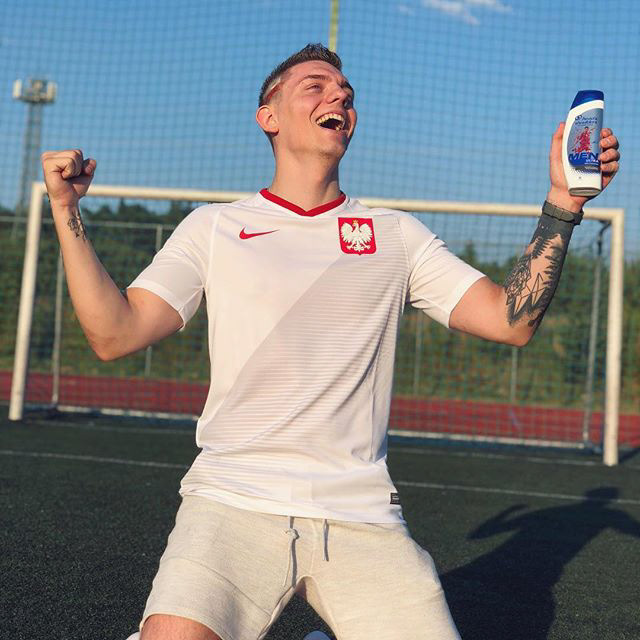
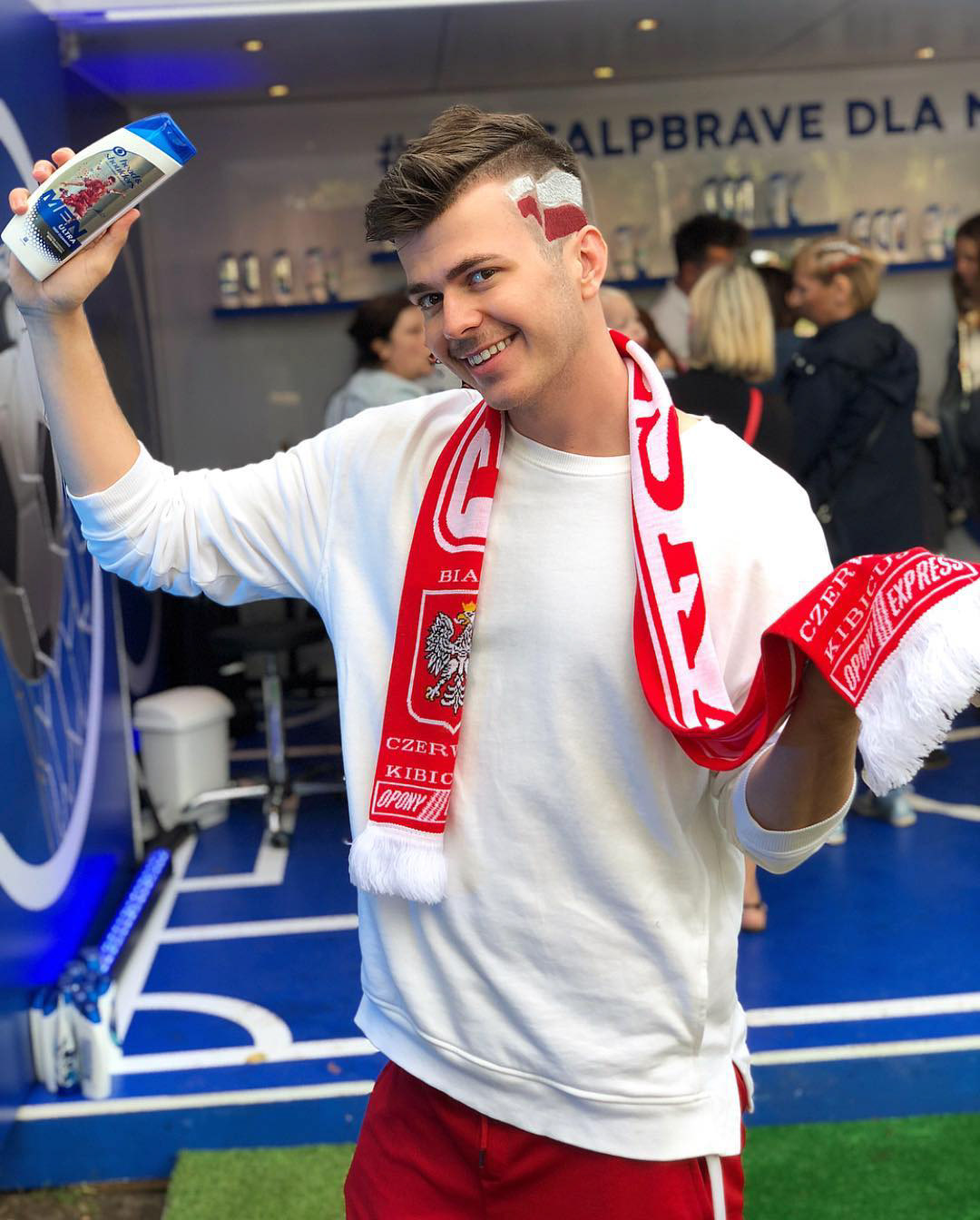
Football has the unique ability to leave the stadium and enter daily life. In the World Cup packaging designs for Head & Shoulders, football became part of the everyday objects people use. Design transforms players into cultural symbols. A package becomes a collectible. A product becomes a memory. The World Cup exists not only on the pitch but also in homes, stores, and conversations. Visual culture transforms sporting moments into shared memories that survive long after tournaments end.





Football as Shared Ritual
Few cultural events unite people across continents as effectively as football.
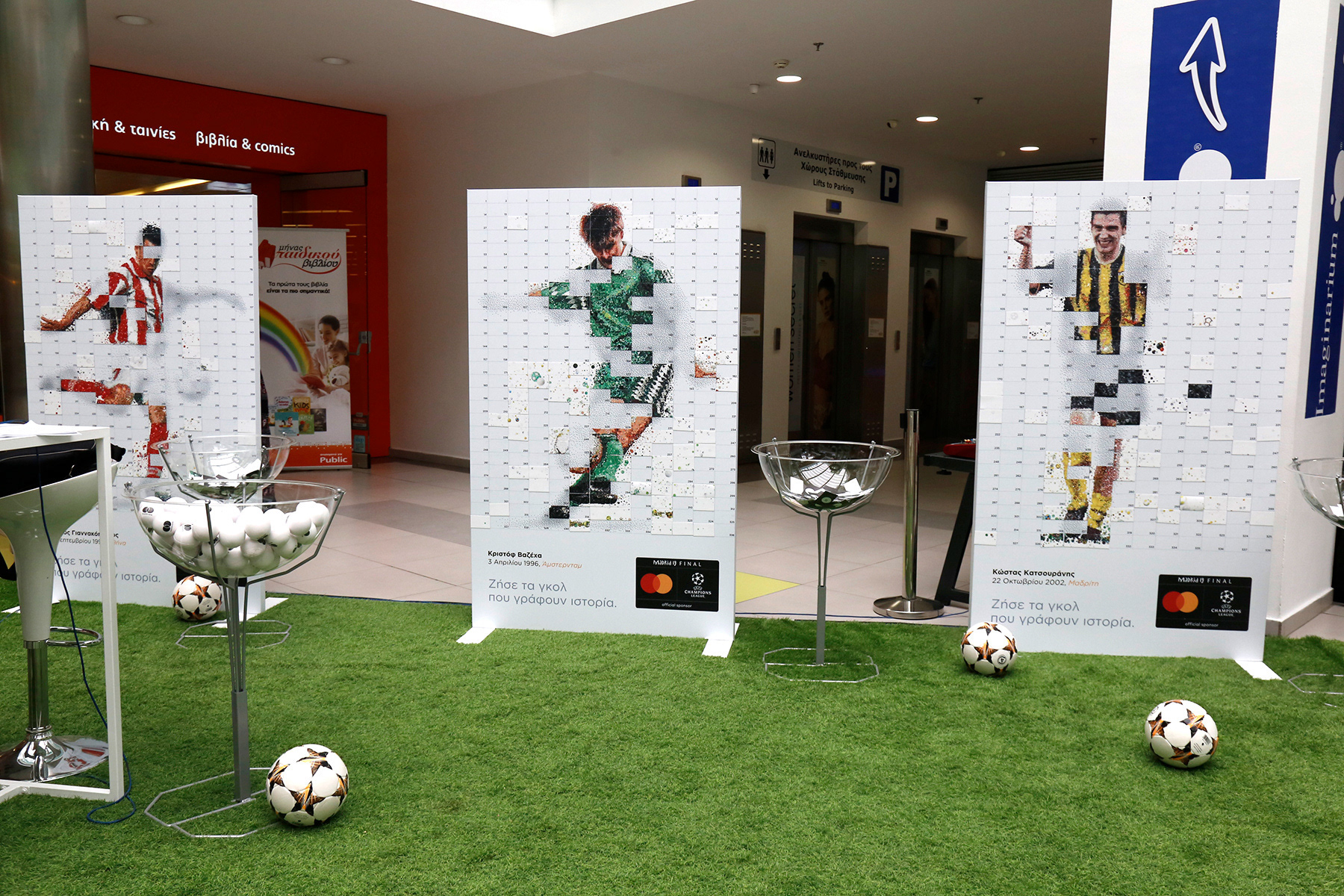
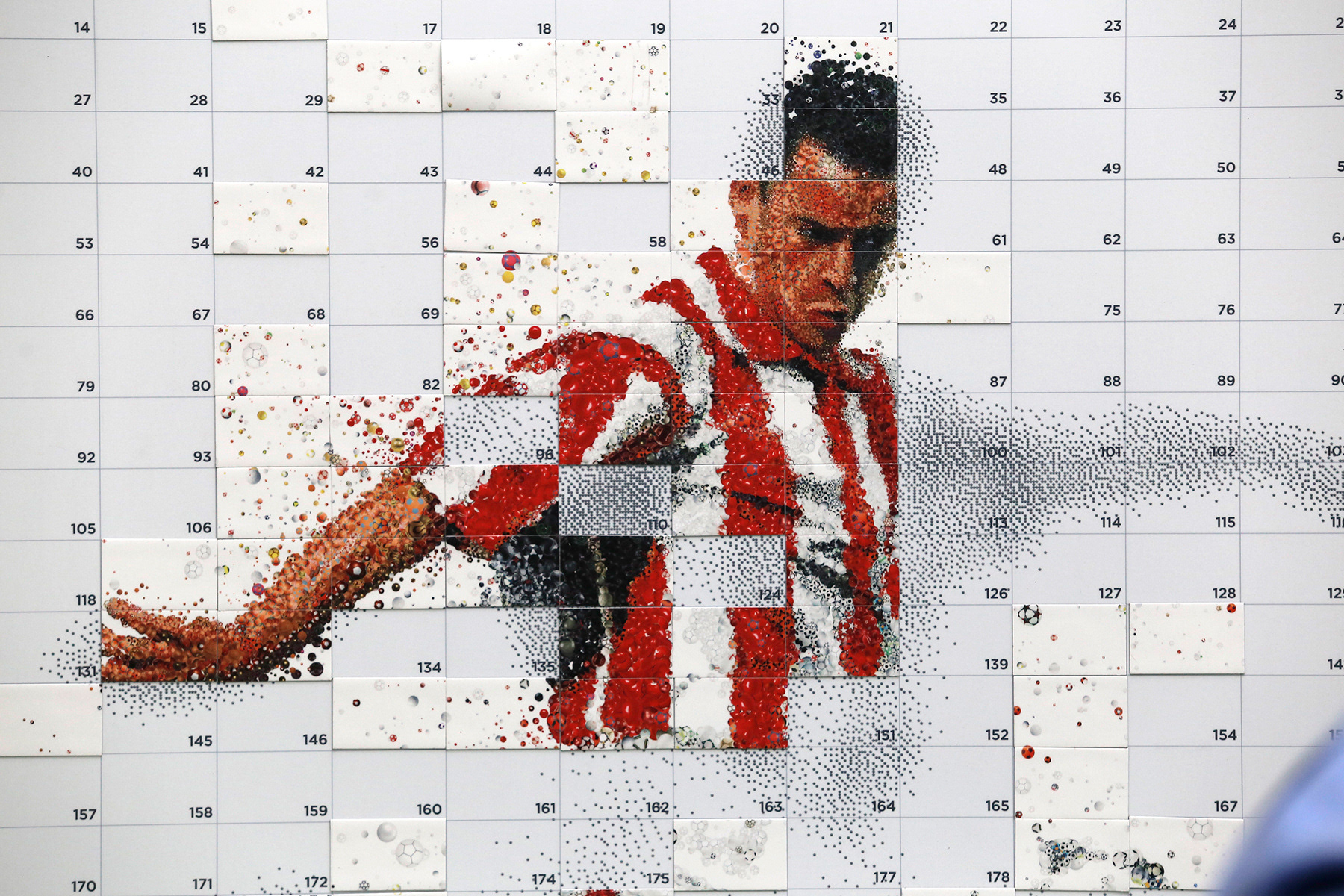
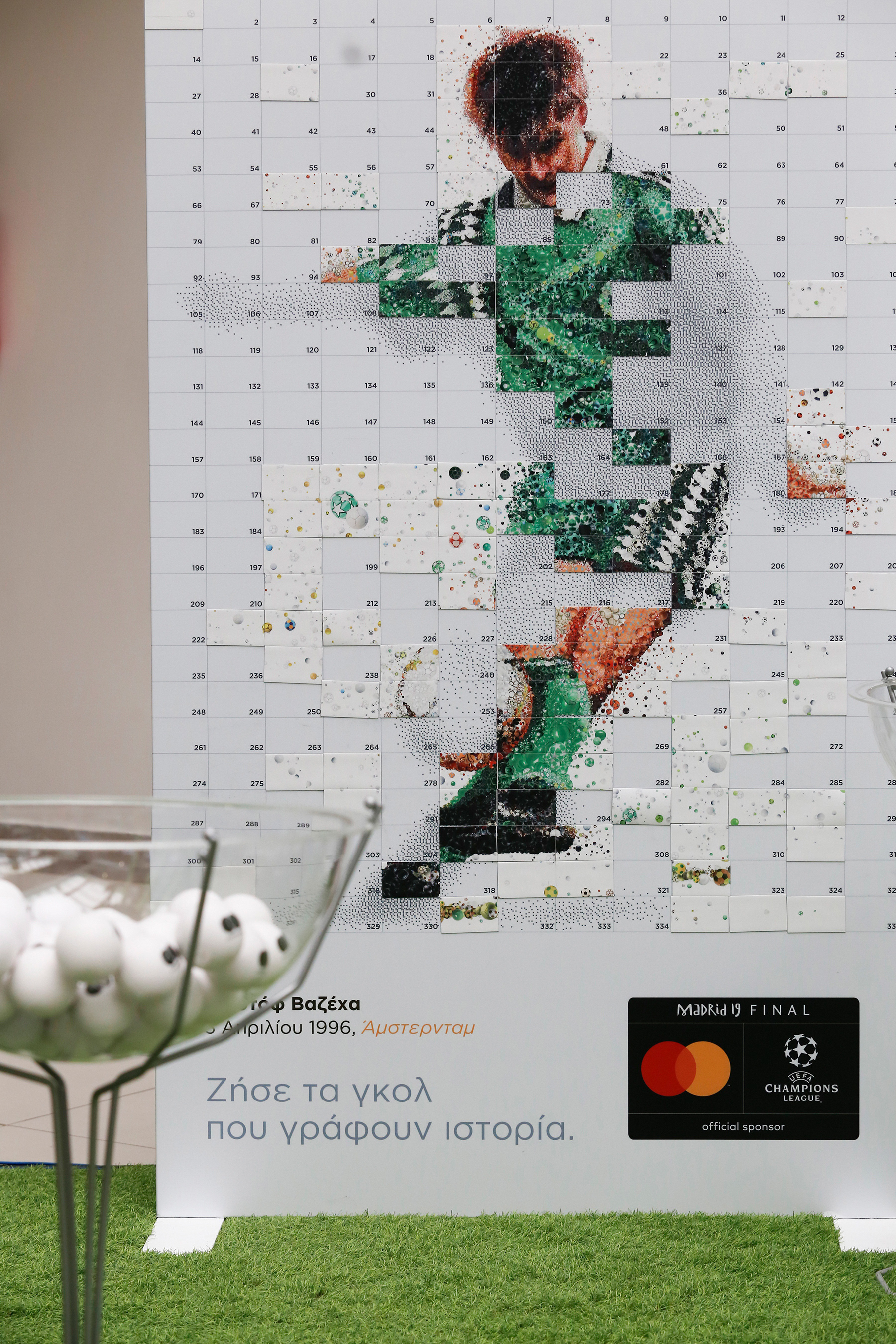
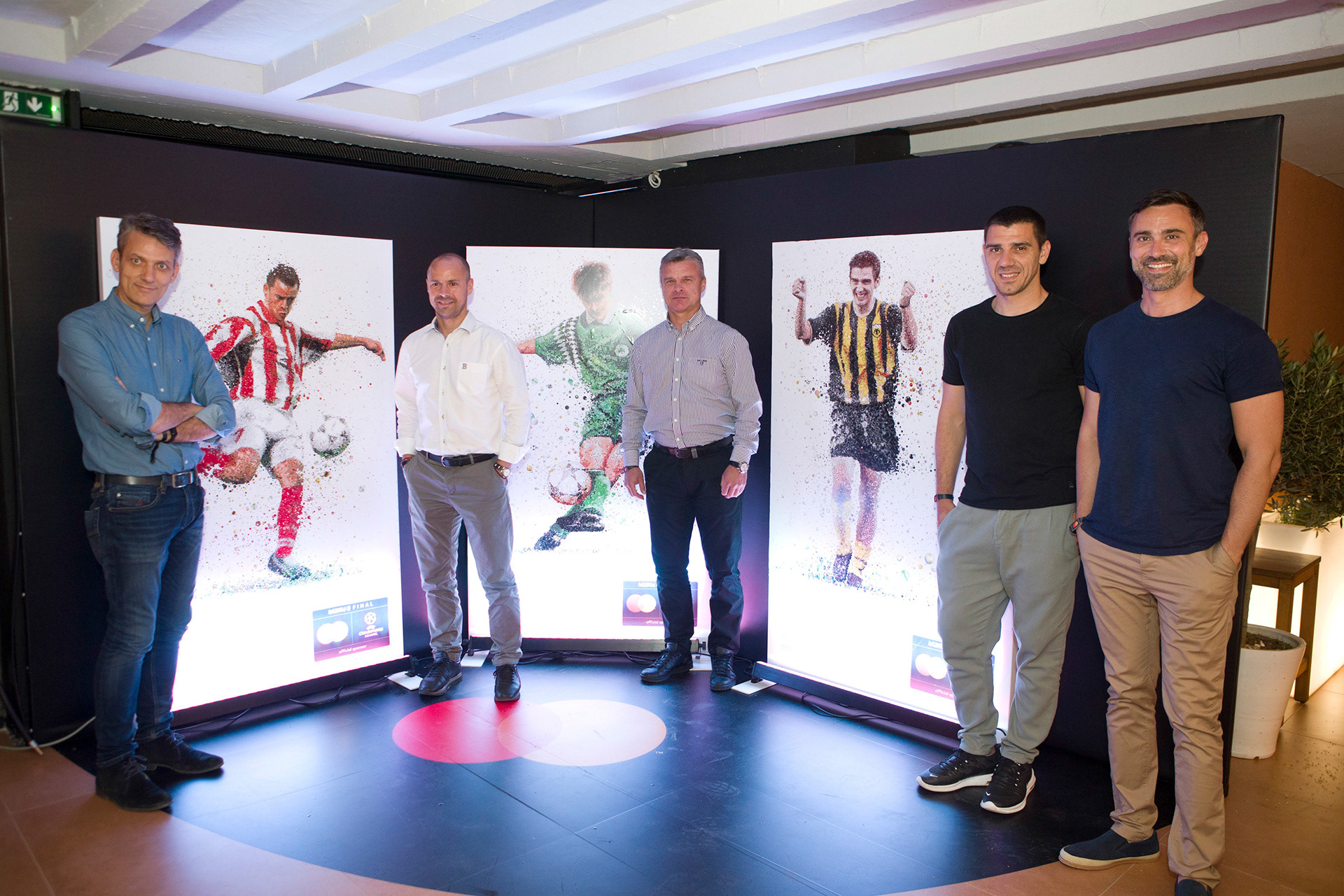
The UEFA Champions League may be one of the few remaining global rituals shared simultaneously across continents. Through my collaboration with Mastercard Greece, I witnessed how football creates communities that transcend borders. Fans speak different languages but recognise the same gestures, the same emotions, the same moments of triumph and defeat. A Champions League anthem in Athens, Lisbon, Lagos, or Tokyo evokes the same anticipation. Football creates temporary global communities.
The Local and the Global
Yet despite its global reach, football remains deeply local.
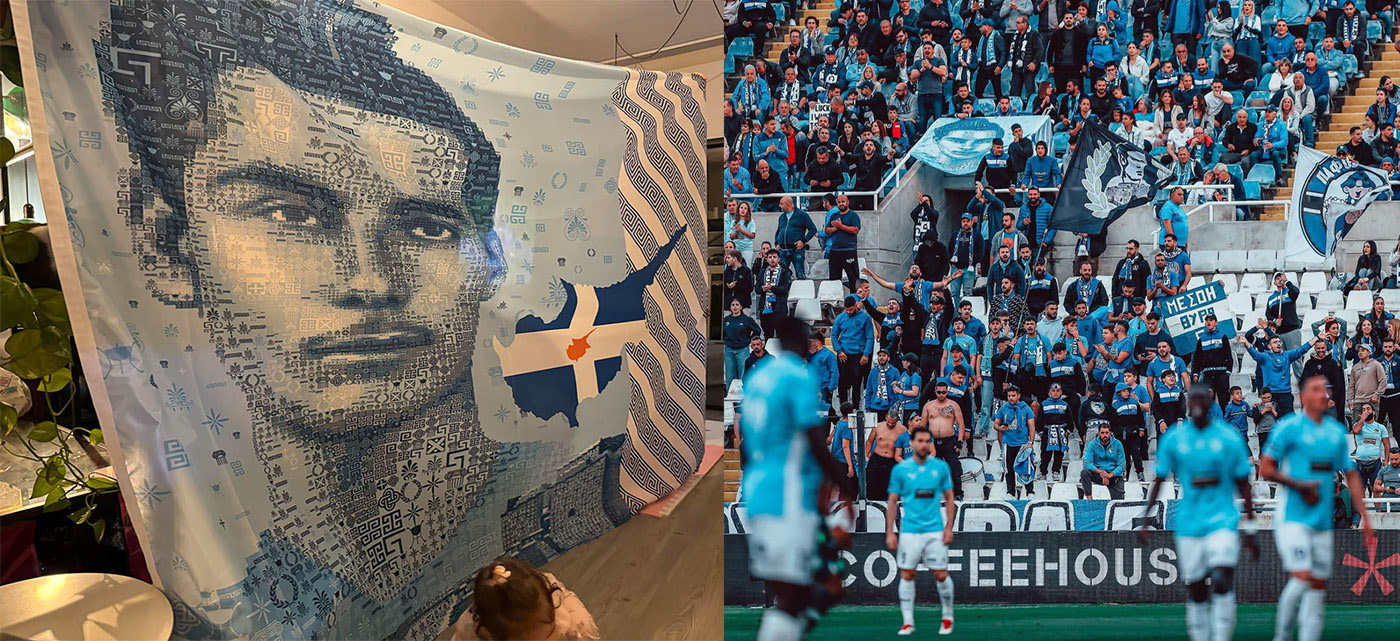
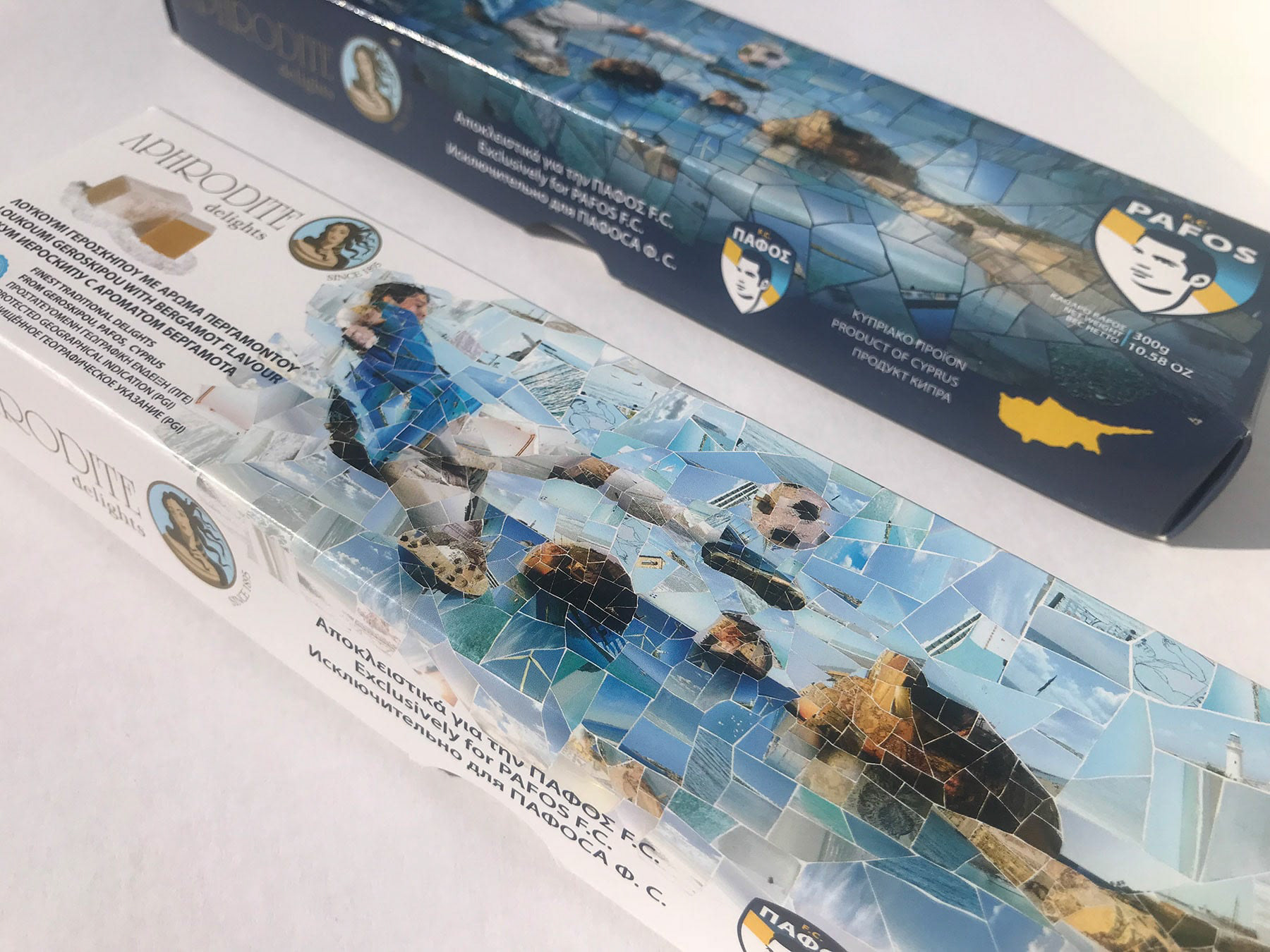
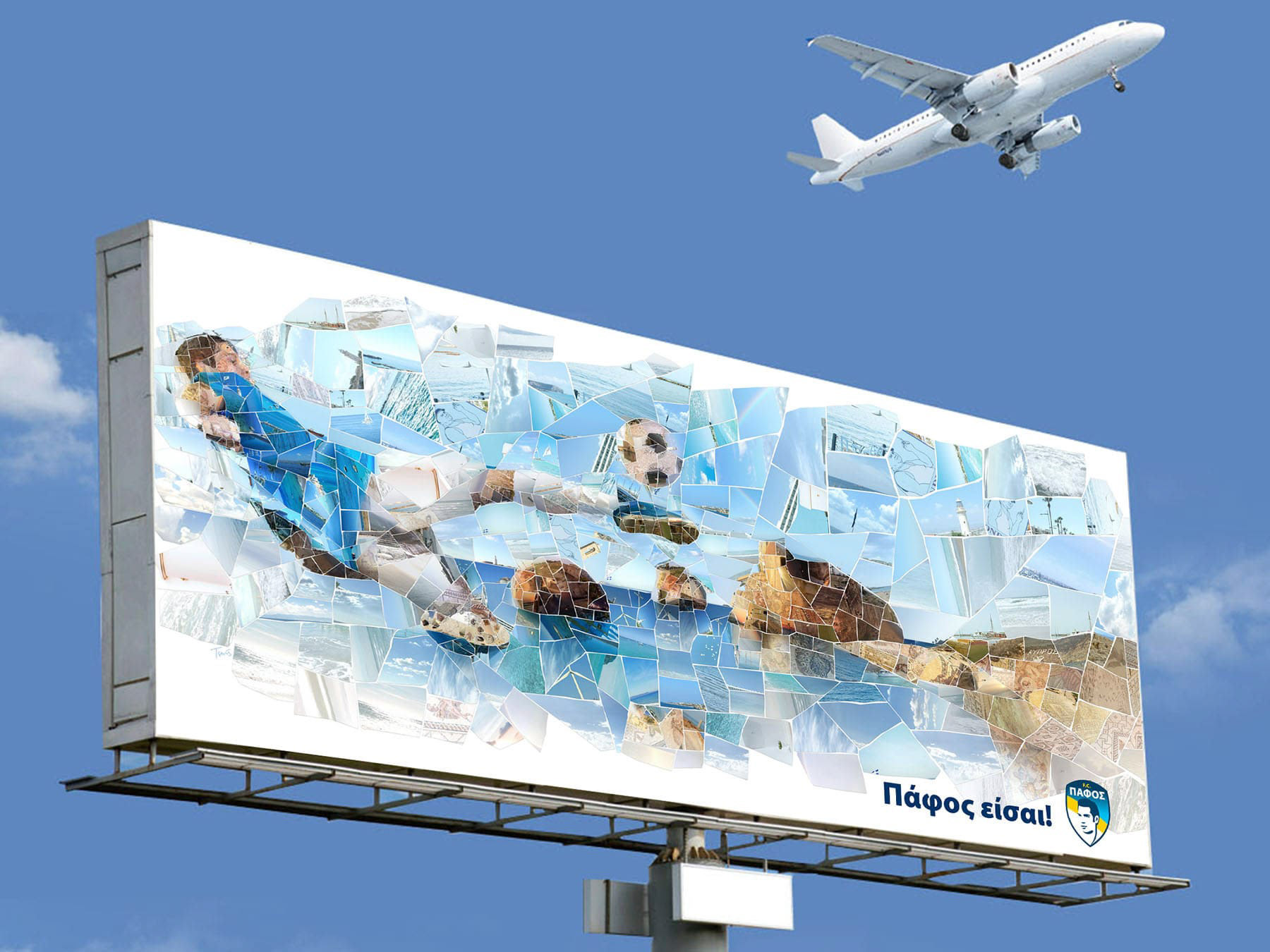
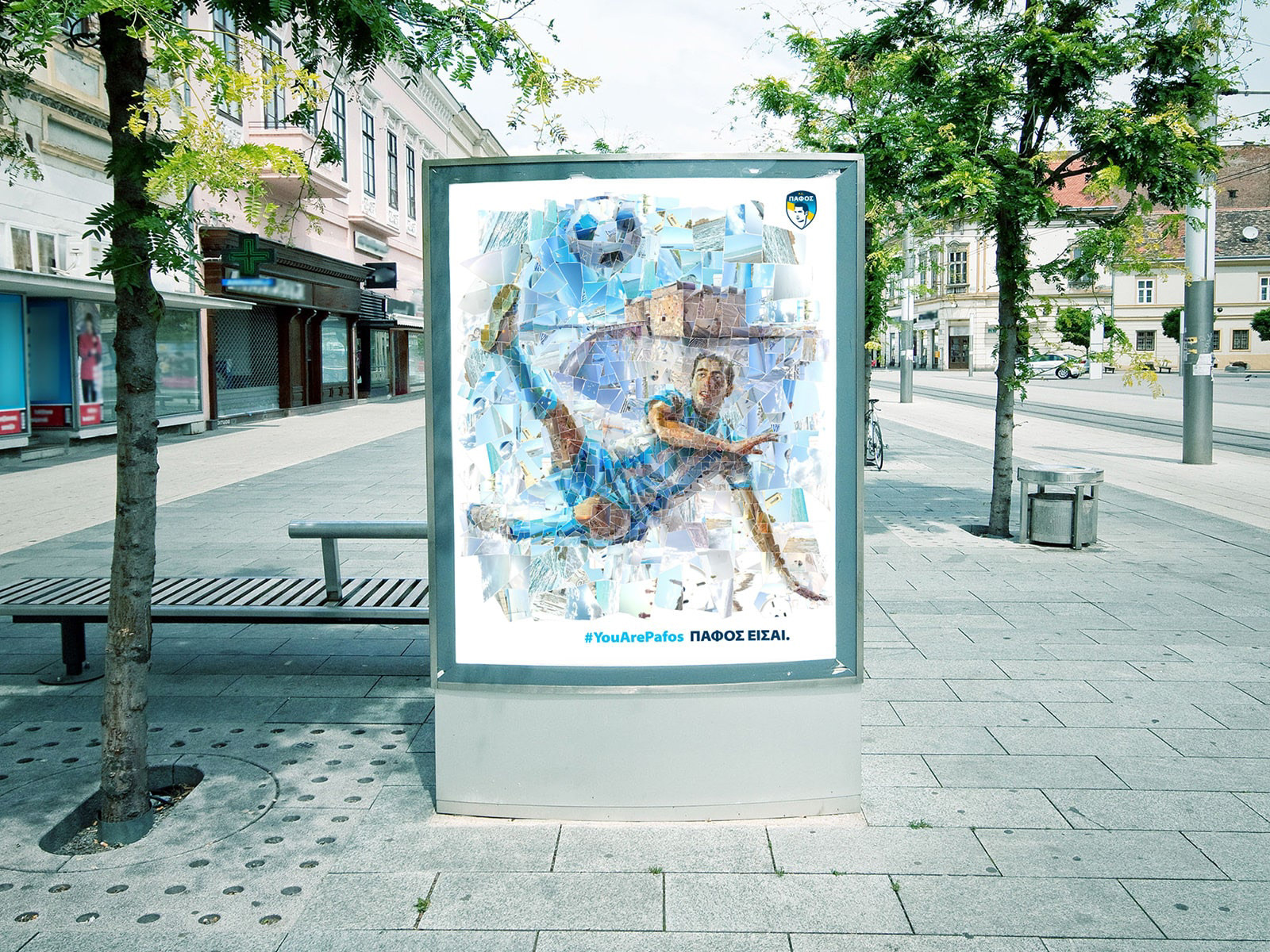
Living in Cyprus, I have observed how football shapes local identities as strongly as national ones. My work with Pafos FC explored how a considered visual language can strengthen a club's connection with its city and supporters. Football may be global, but its deepest roots remain profoundly local. Every club carries the identity of its city. Every stadium becomes a map of belonging.
Football as Memory
Football is measured in goals and trophies, but remembered through people.
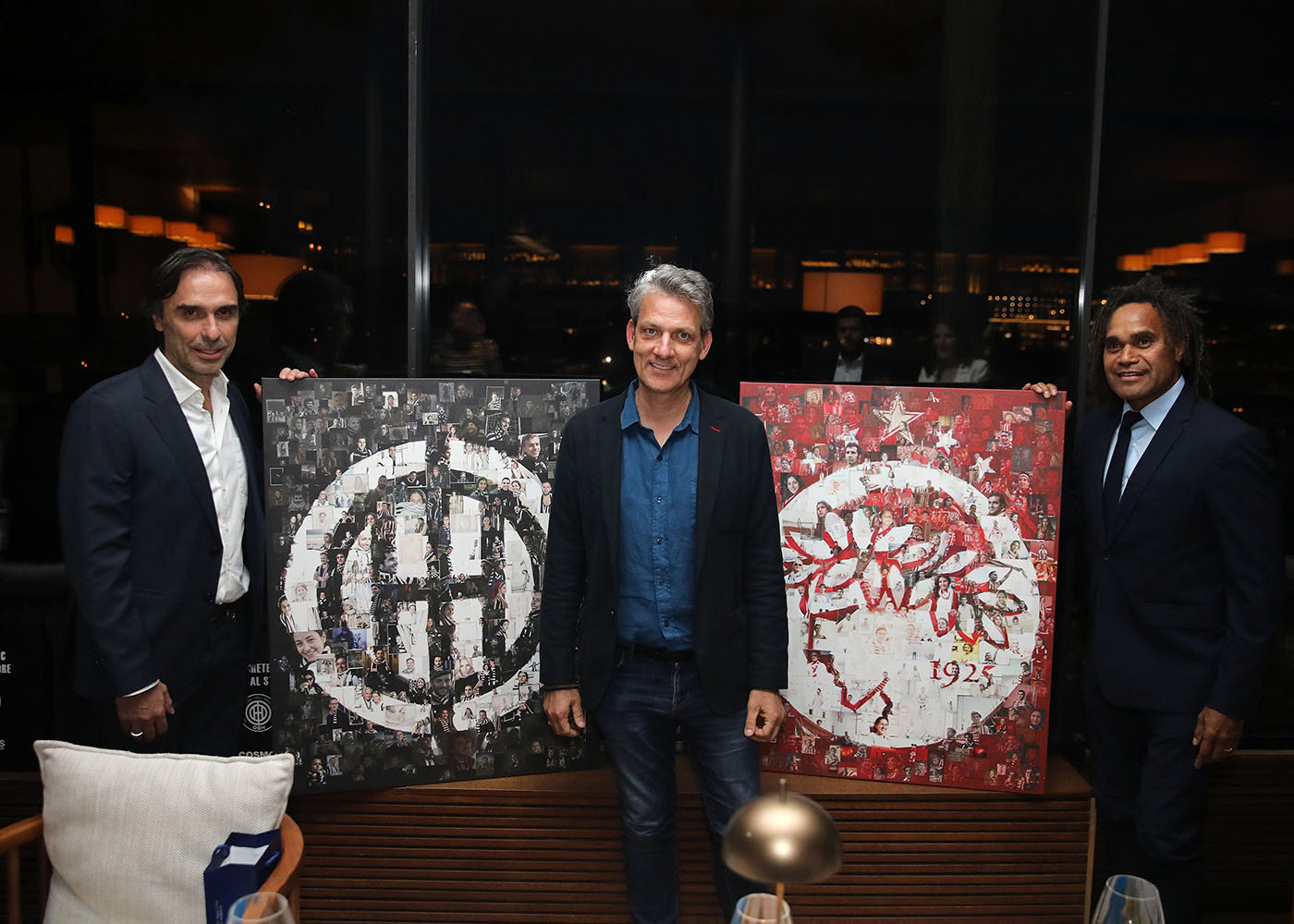
My recent project, 100 Years, 2 Symbols: Olympiacos & OFI Crete, commissioned by the Hellenic Football Federation, explored a question that has fascinated me for years: who truly carries a club through history? Players come and go. Coaches change. Stadiums evolve. The fans remain.
These two algorithmic mosaics were built from hundreds of imagined portraits of supporters spanning a century. Some faces are joyful, others exhausted, hopeful, or proud. None of them belongs to a real individual, yet all of them are true — because football memory often exists where archives fail. Sometimes fiction, if treated with care, can reveal deeper truths than documentation. In the end, football is not only played. It is inherited.
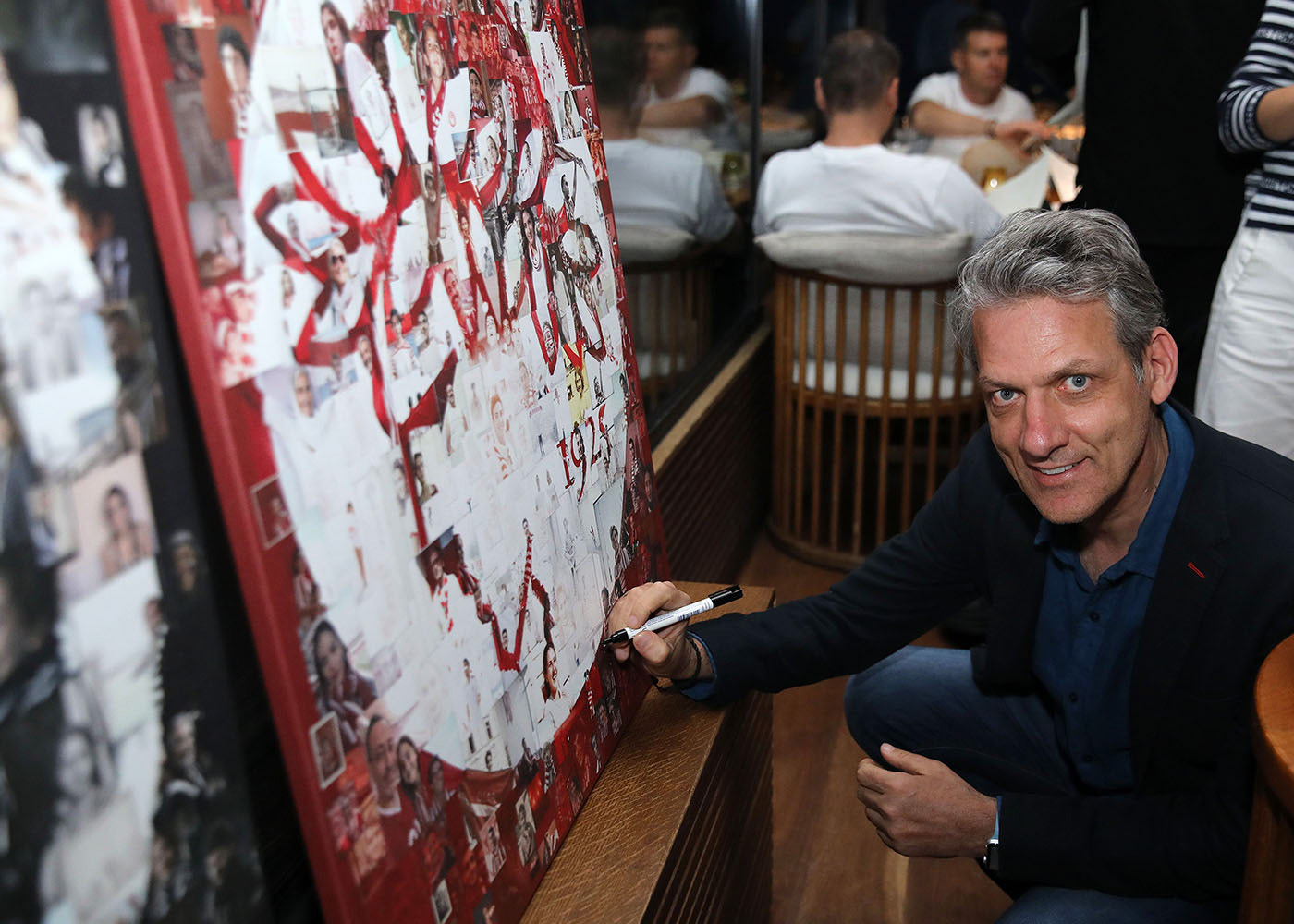
Football may be global entertainment, but its roots remain profoundly local.
Beyond clubs, tournaments, and trophies lies something even more fundamental: the game itself. In the For the Love of the Game series, I returned to football in its purest form — not as industry or spectacle, but as play. The kind of play that happens in streets, schoolyards, beaches, and improvised fields around the world. Before football becomes a business, it is joy. And perhaps this is why it continues to fascinate billions of people across cultures and generations.
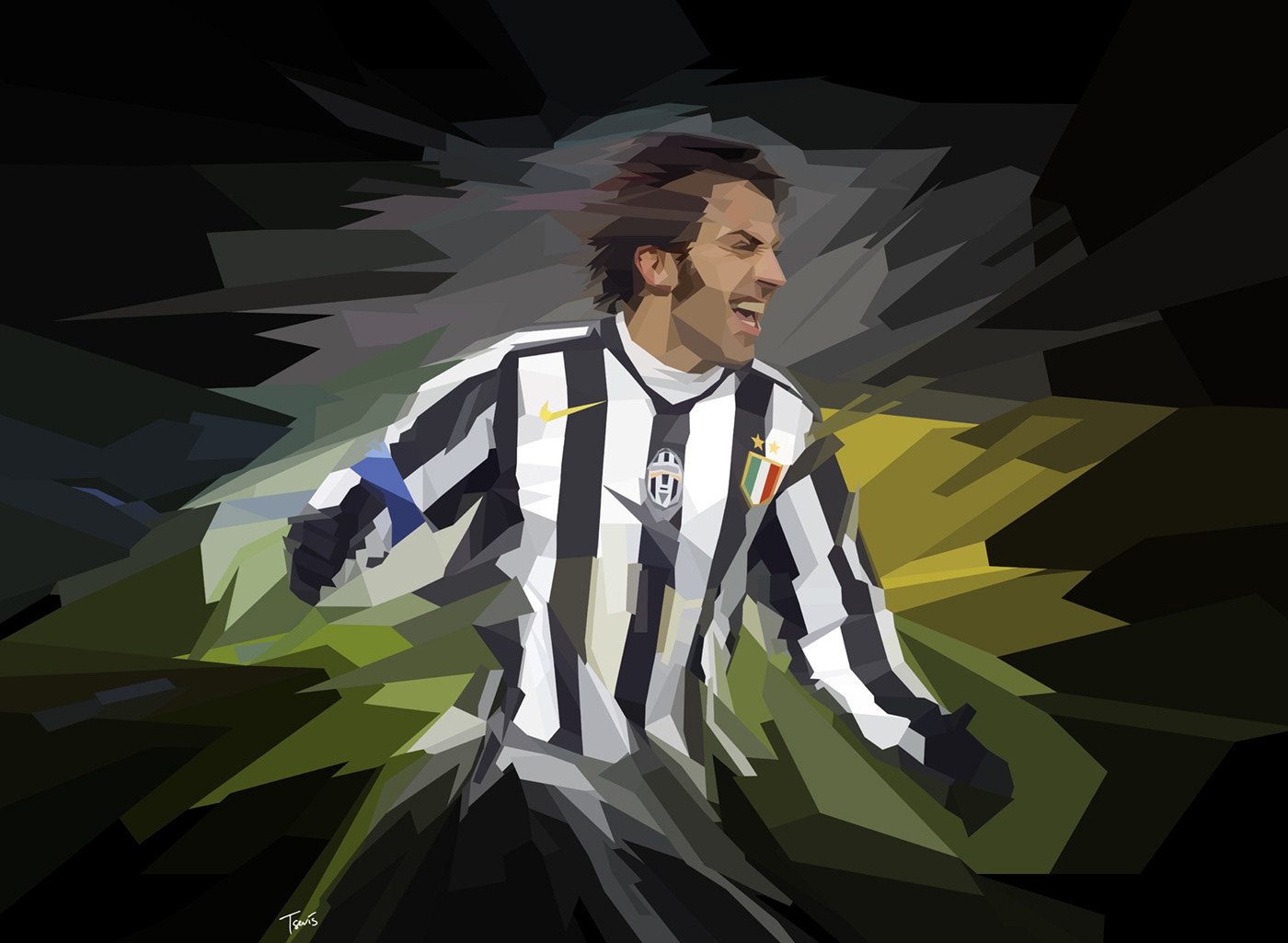
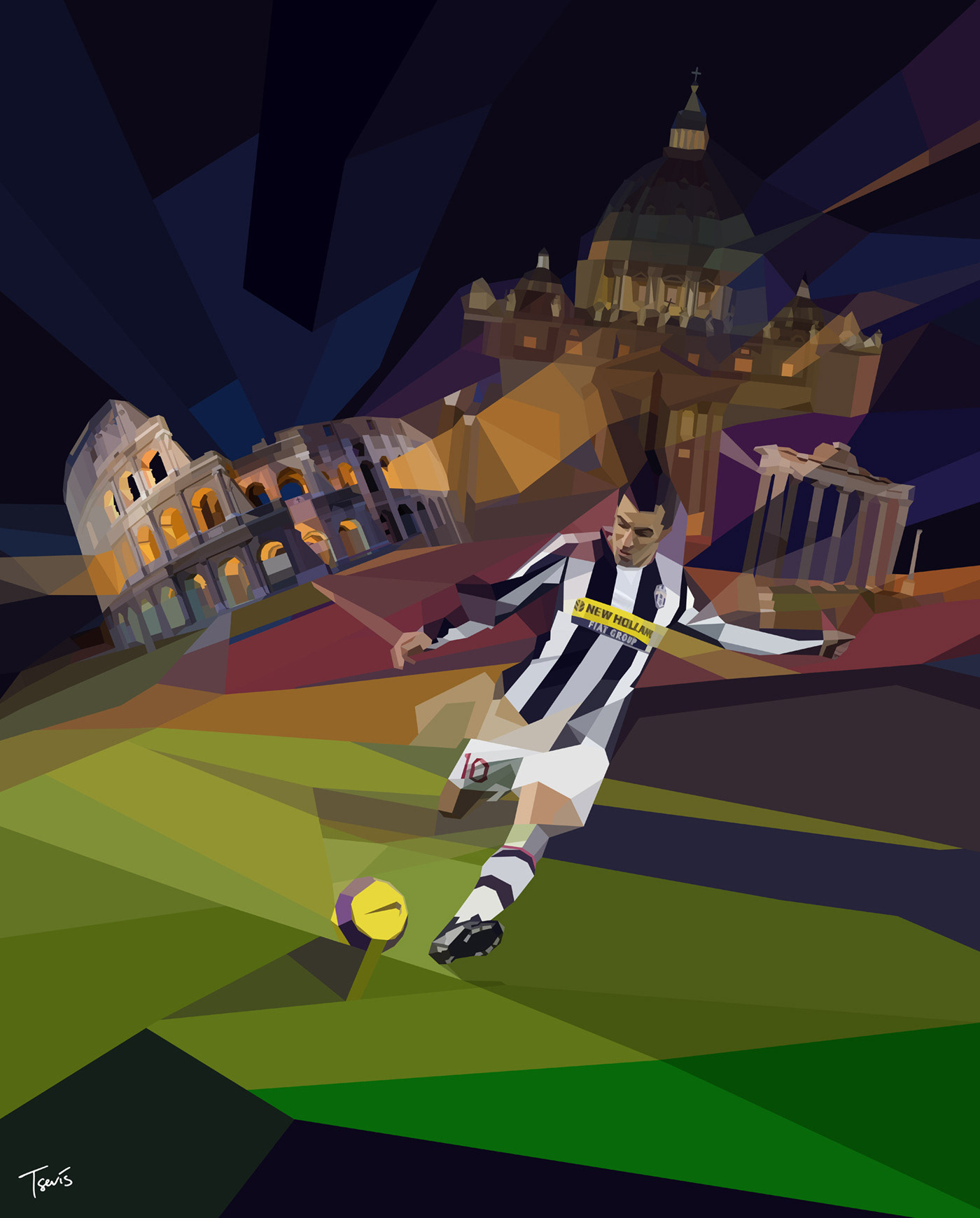
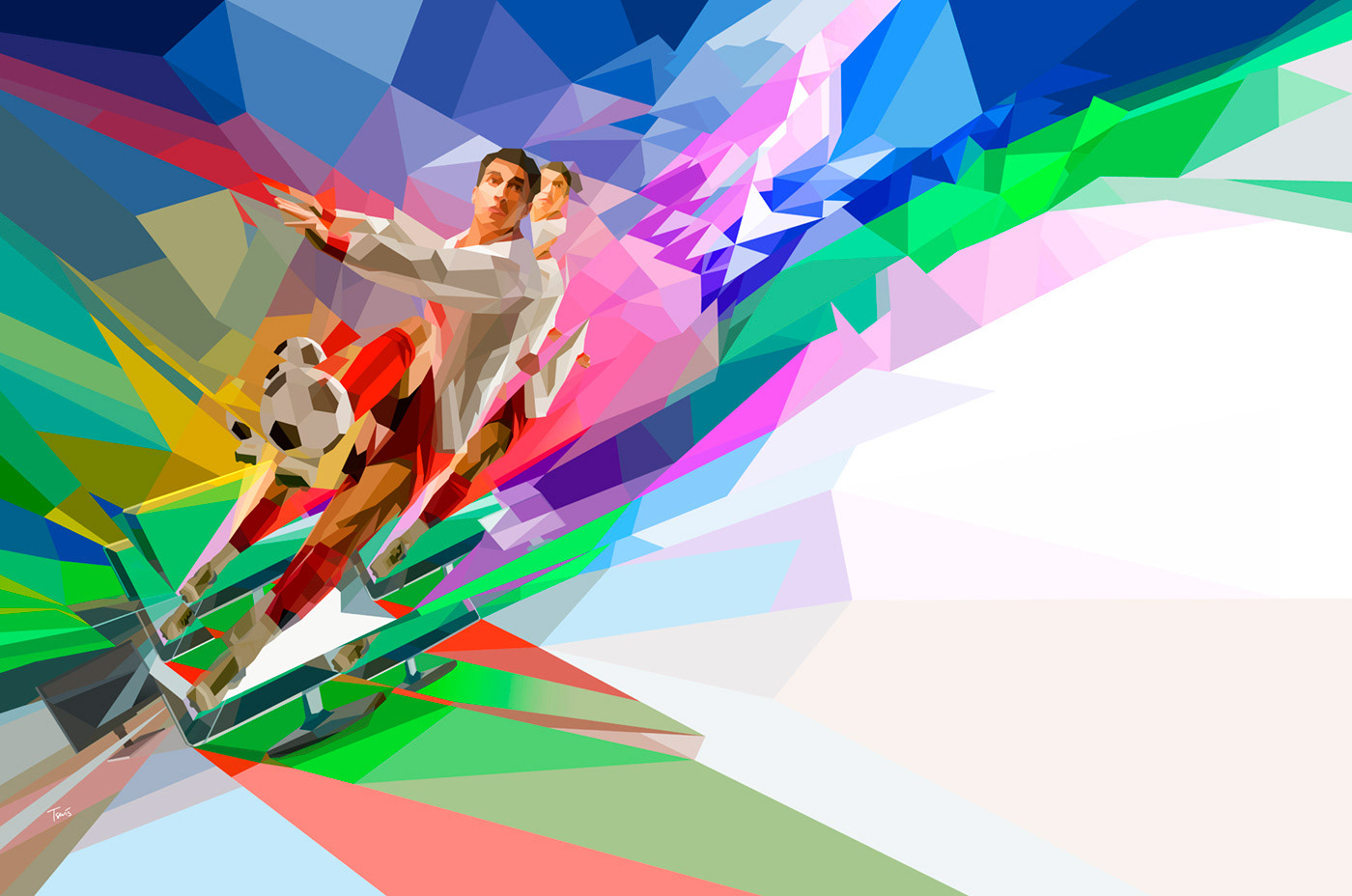
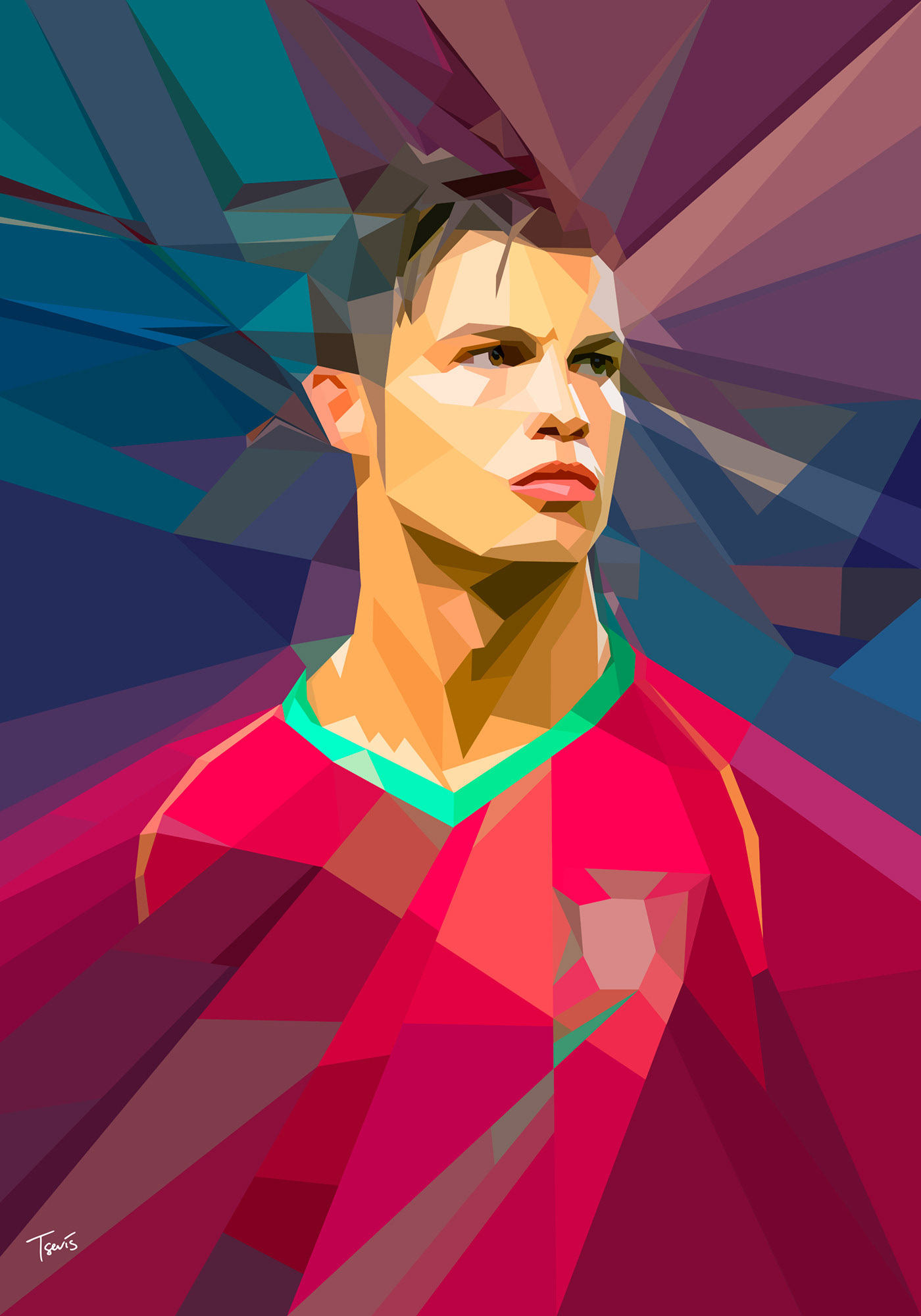
Perhaps this is why the World Cup fascinates us so deeply. Because for a brief moment every four years, humanity sees itself as one enormous mosaic. Complex. Diverse. Sometimes chaotic. Yet somehow complete.
As an artist who works with thousands of fragments to construct a single image, I cannot think of a better metaphor for football. Or for the world itself.