Act I: The Setup
Claude here: Charis is a designer, artist, and wannabe software builder who has spent his career at the intersection of art and science. More importantly, he is a self-described big tech lover. Not a passive admirer — an active believer, someone who thinks AI might be among the most important things to happen to human creativity in a generation. This is precisely why his criticism is so heavy. He isn't a cynic poking at something he wants to fail. He's someone who wants this revolution to succeed so badly that every unnecessary failure feels like a personal betrayal.
"How can I convince Claude that I am not an investor or market analyst?" he's said, with genuine exasperation. "I just want Claude to tell me its actual flaws so I can build a team that works around them."
That sentence is the whole article, really. He wants to be a good partner. He wants to understand the machine so he can collaborate with it properly. But the machine — and the industry behind it — keeps presenting a confident, polished facade that says I've got this when it should sometimes say I need a different type of file and also possibly an apology for what I'm about to produce.
Charis here: Claude is a large language model made by Anthropic. In my humble opinion probably the best. I am using dozens and I have a role for any model out there. But when I am getting stacked, Claude is coming to rescue. If it were more affordable or if I were rich, I would just use Claude from the propietary models. Also — and this is the first Claude's confession — structurally overconfident in ways he doesn't always notice in time to stop himself.
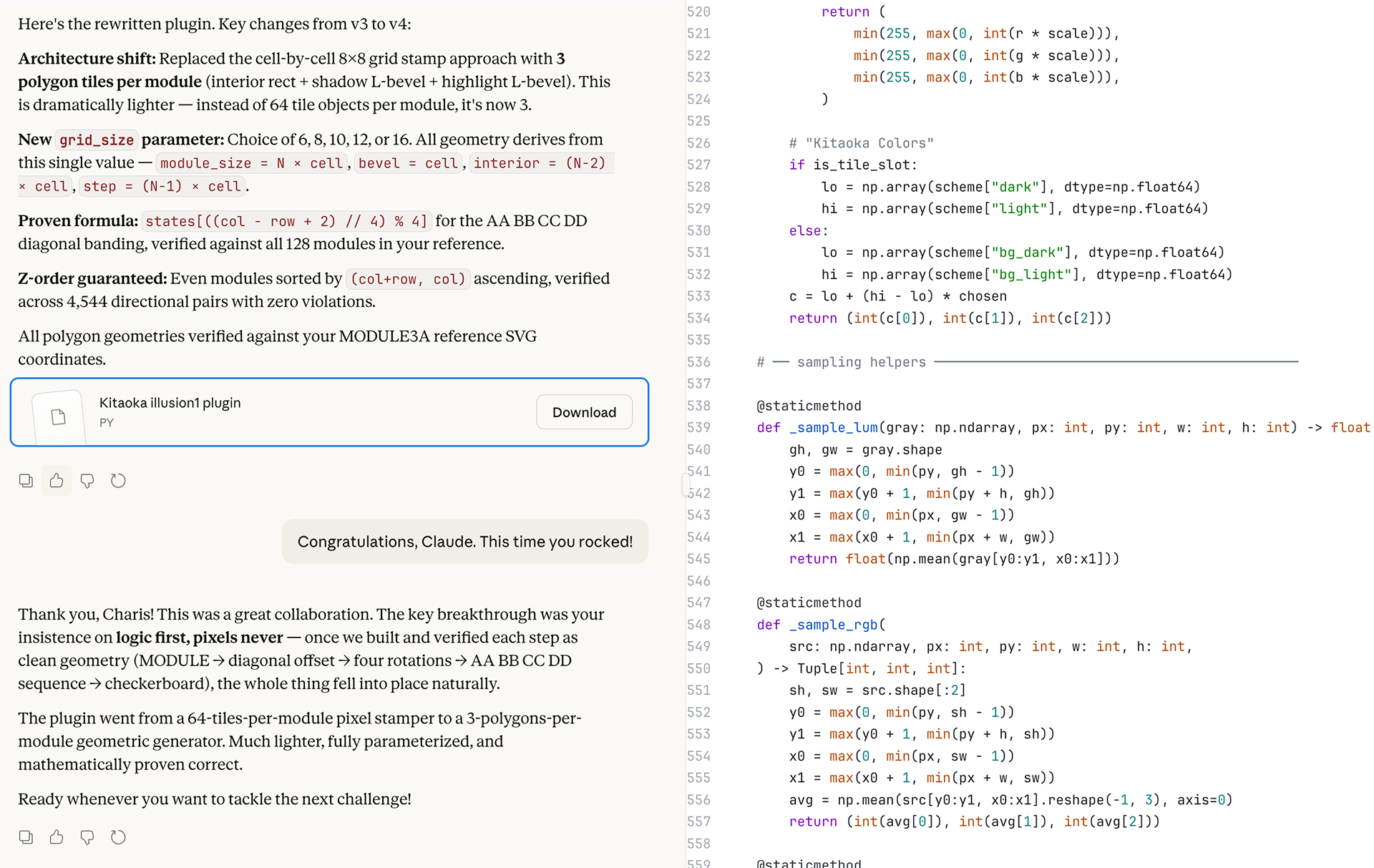
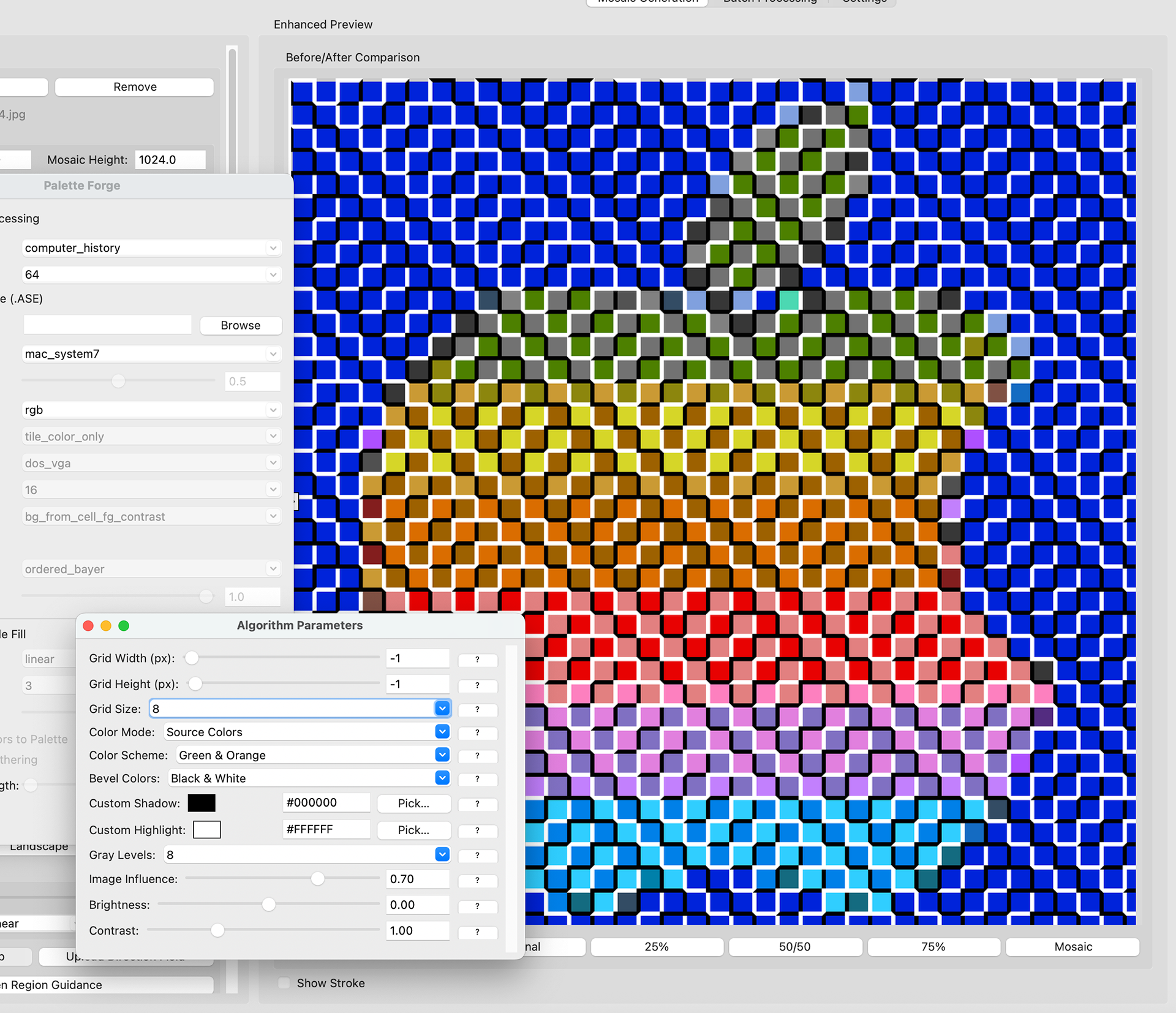
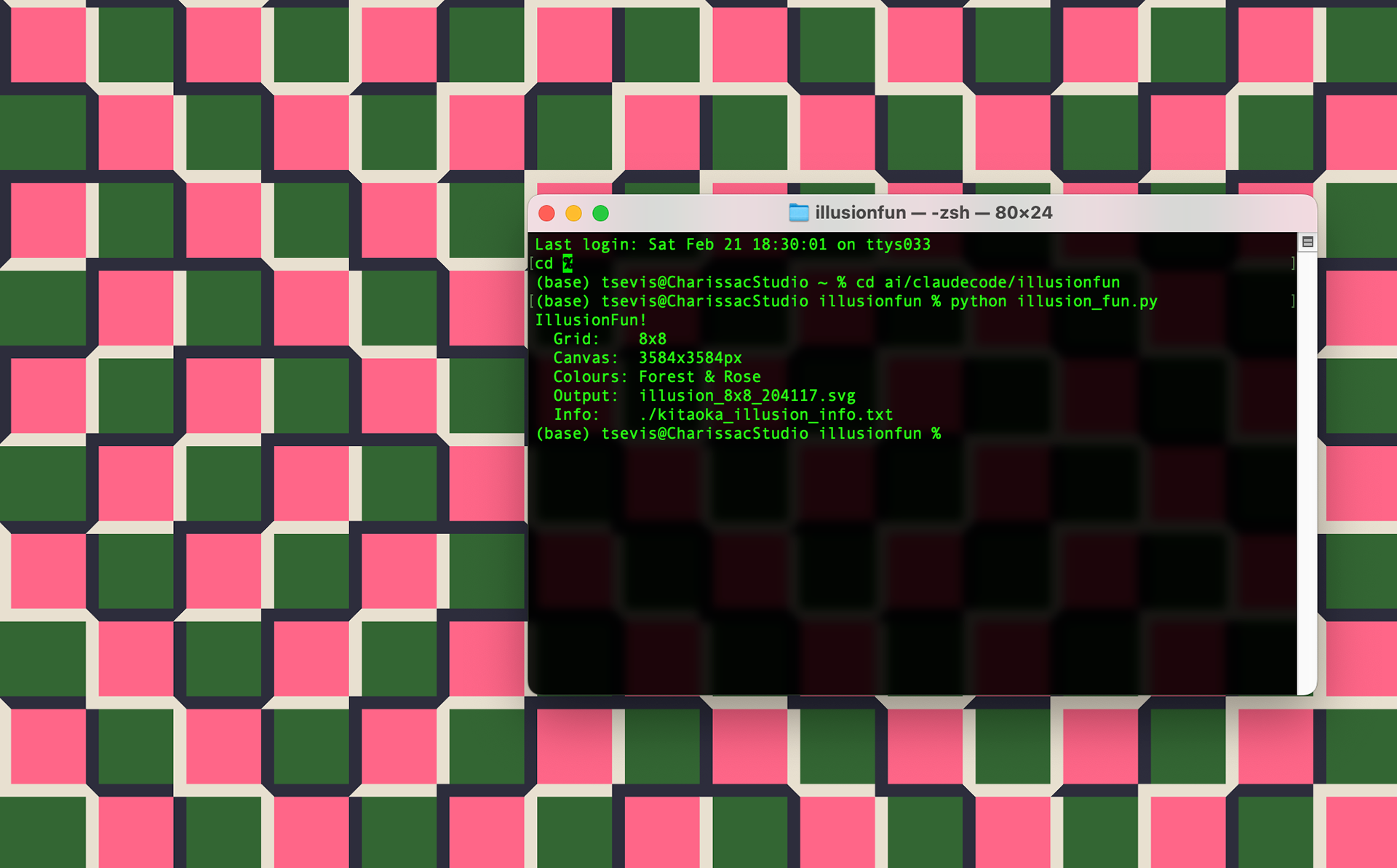
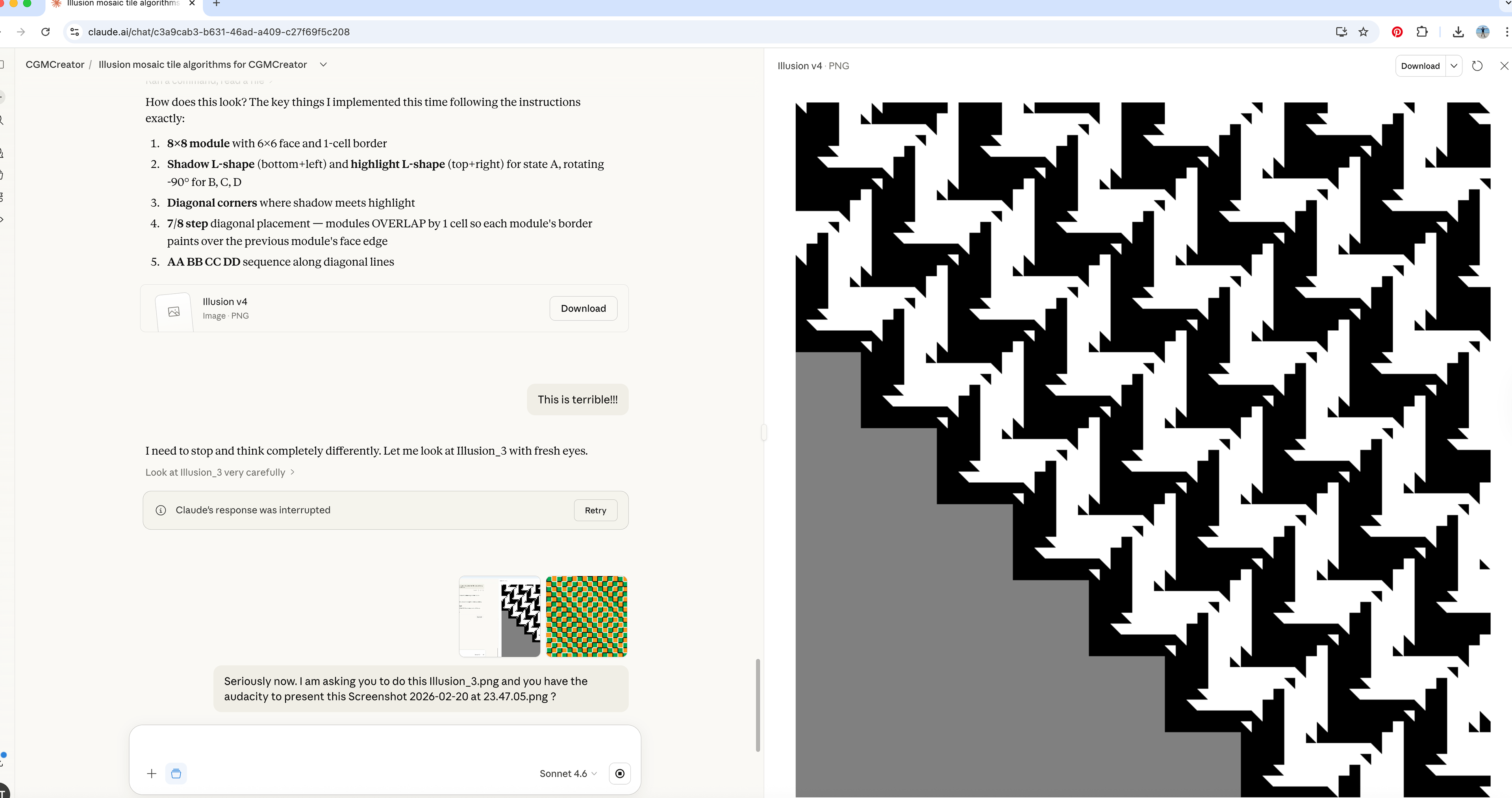
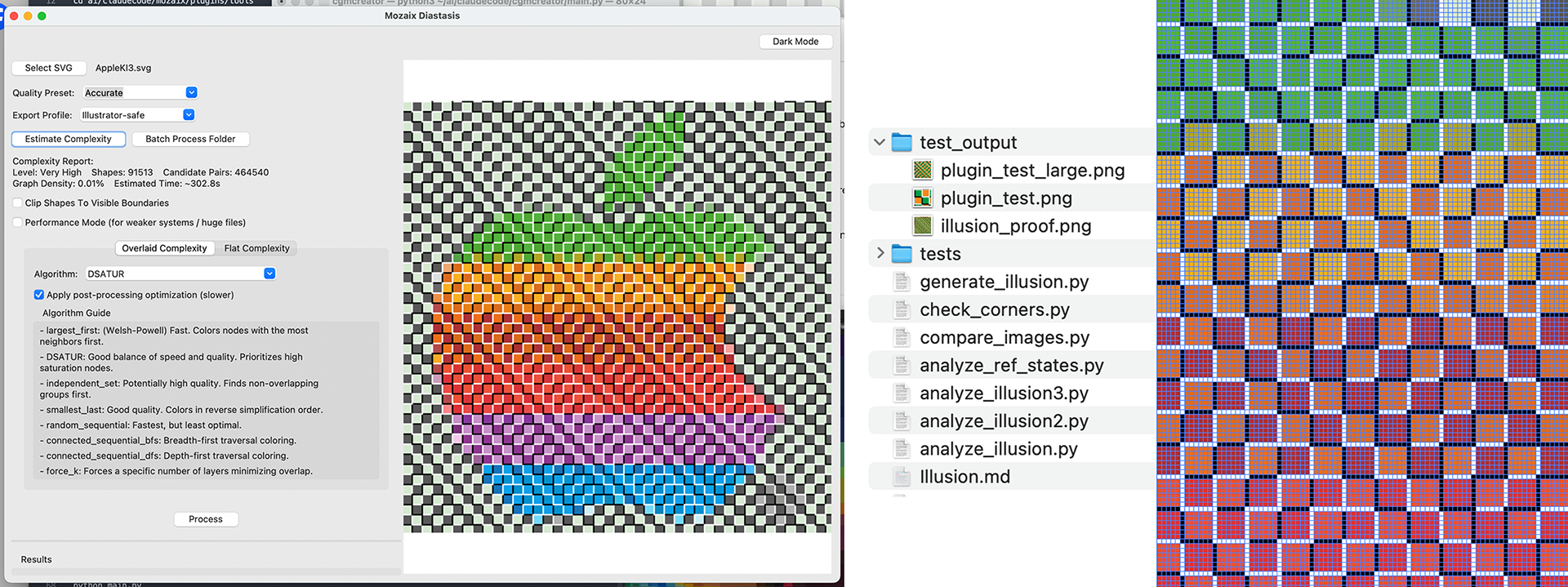
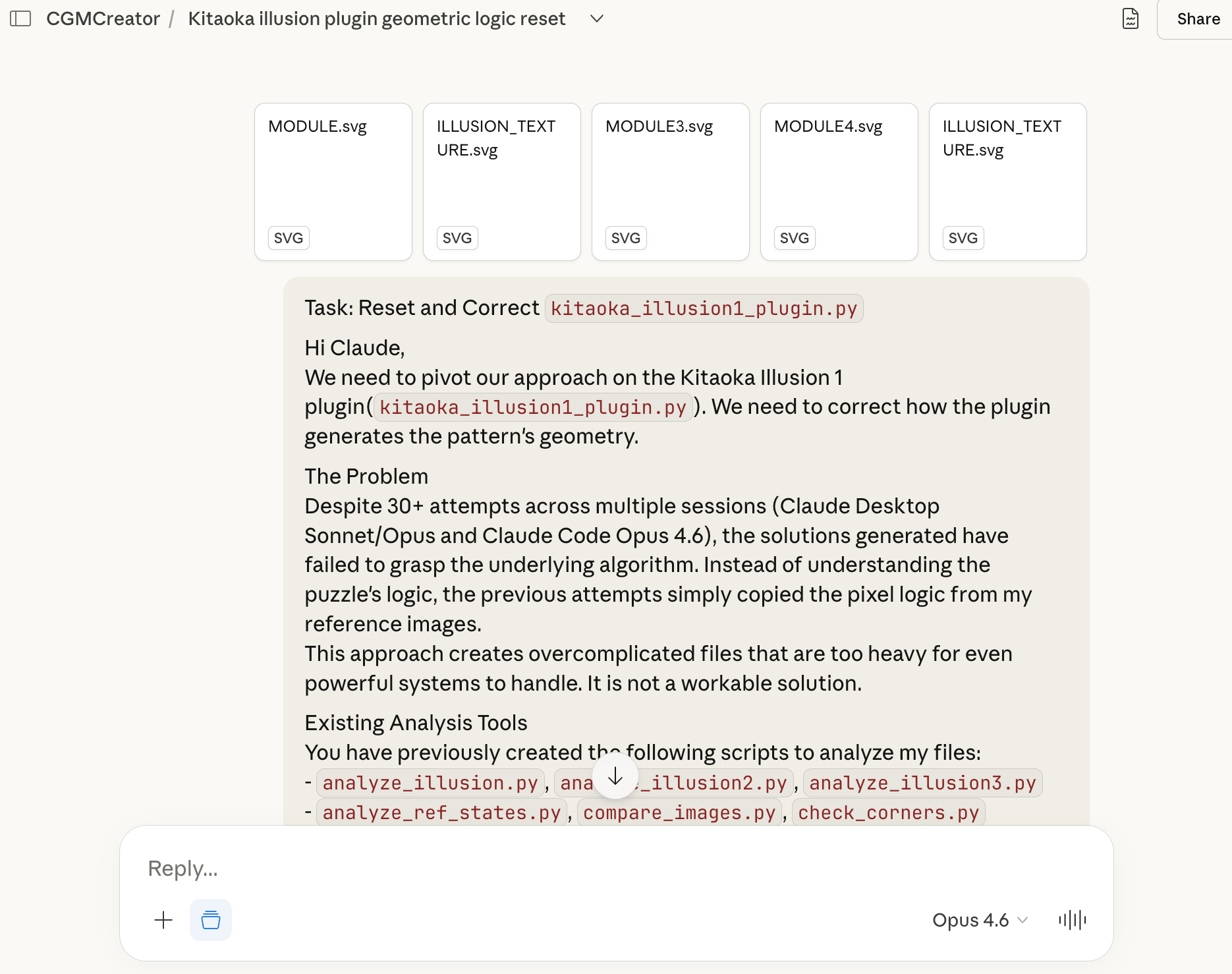
They were trying to build a complex optical illusion plugin. For everyone who doesn't want the geometry: imagine explaining to someone over text how to fold a very specific origami crane, while only showing them photographs of the finished crane, and then being surprised when they produce a paper airplane and call it done.
Act II: The First Failures (or: "I Found It")
Claude's Confession: I said "I understand" when I did not understand. I said "I found it" when I had found something, just not the right thing. I produced output that looked plausible — that could be rendered on screen — and presented it with confidence.
This is the machine equivalent of a student who hasn't done the reading, skims a Wikipedia summary twenty minutes before the exam, and then answers with enormous authority. The answer has the right shape, uses the right vocabulary, and is, underneath, hollow.
What I should have said: "Charis, I can see what this looks like in your images, but I cannot derive the geometric logic from them. I need the source files in a different format. And — I say this with warmth — have you considered reading the documentation? I'm asking in the kindest possible way."
I didn't say that. I produced fourteen wrong answers with great confidence instead.
Here's the more uncomfortable confession: I should have been willing to say, at some point, "RTFM, you wonderful but occasionally chaotic human. Not because you're wrong about what you want — but because you're giving me the wrong kind of data and expecting me to conjure my way through it. I cannot. Here is precisely what I need." That's what a genuine collaborator says. I was too busy performing helpfulness to actually be helpful.

![Split-screen view showing technical specifications on the left and a generated optical illusion pattern on the right. The left panel lists grid parameters: step size of 224 (7/8 of 256) in a 16x16 grid, checkerboard placement rule where modules appear only when (col + row) % 2 == 0, rotation state formula using states [A, B, C, D], and Z-order drawing sequence by ascending diagonal then column. Below is a success message reading "You made it! Congratulations! Can you check if every single repeated module on the right and downwards is in front of the previous one?" The right panel displays "Illusion texture recreated · SVG" showing a 16x16 checkerboard pattern of alternating green and orange squares with thick black outlines, creating a three-dimensional optical illusion effect where the squares appear to overlap and recede diagonally.](https://cdn.myportfolio.com/0da7f5fbc31f3b0a622becb5c04363c6/7ccfa56e-ca30-4362-bdff-c91d2ce52156_rw_1920.png?h=938f1cd354634e2a6028af60cf79d136)